When an energy bill arrives that’s noticeably higher than usual, it’s tempting to blame the weather and move on. Sometimes that’s fair. A particularly cold month can certainly increase heating costs.
But if the increase continues even when the weather hasn’t changed much, your heating system may be trying to tell you something.
A home uses energy in many ways, but heating can account for a substantial share during colder months. Understanding how your equipment works, recognizing warning signs, and keeping the system properly maintained can help you avoid wasting energy and money.
Why Heating Costs Can Suddenly Increase
There isn’t always one obvious reason for higher energy bills.
A sudden cold spell may force your system to run longer. Poor insulation can allow warm air to escape. Drafty windows and doors can make rooms harder to heat. Even a thermostat set just a few degrees higher can increase energy consumption over time.
Then there’s the heating equipment itself.
Filters become dirty. Components wear out. Ductwork develops leaks. Motors may have to work harder than they should. A system that once heated the home efficiently may gradually become less effective.
That’s why it’s useful to look at the whole picture rather than assuming the utility bill is the only problem.
Understanding Your Central Heating System
A central heating system is designed to distribute heat throughout a property rather than relying on individual heaters in each room.
Depending on the type of system, it may use a furnace, boiler, heat pump, or another heating technology connected to ductwork or distribution equipment.
Central systems can provide consistent comfort, but their performance depends on more than the main heating unit.
Airflow, duct condition, insulation, thermostat operation, and regular maintenance all play a part. If one part of the system isn’t working correctly, the equipment may need to run longer to achieve the temperature you’ve selected.
That extra runtime can eventually show up on the energy bill.
Could Your Heat Pump Be Working Too Hard?
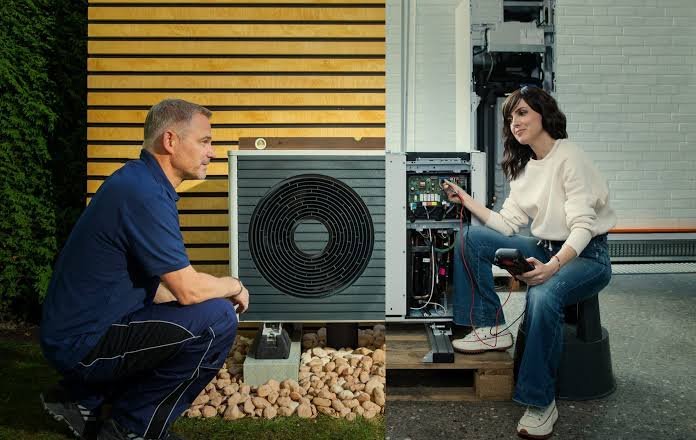
A heat pump operates differently from a traditional furnace. Instead of simply generating heat, it transfers heat from one location to another.
During heating mode, it moves available heat into the home. In cooling mode, the process reverses.
This makes heat pumps useful for year-round comfort, but they still require proper sizing, installation, and maintenance.
If a heat pump is constantly running, producing unusual sounds, struggling to maintain the thermostat setting, or causing rooms to feel unevenly heated, it may be worth having the system inspected.
The problem could be the heat pump itself, but it could also be airflow, insulation, ductwork, thermostat settings, or another part of the property.
Dirty Filters Are an Easy Problem to Overlook
One of the simplest causes of poor heating performance is a dirty air filter.
When a filter becomes clogged, the HVAC system has to work harder to move air. Reduced airflow can affect comfort and may increase operating time.
The good news is that checking the filter is relatively simple.
Follow the manufacturer’s recommendations for replacement, and check the filter regularly if your home has pets, high occupancy, or unusually dusty conditions.
It’s a small task that can make a difference.
Don’t Ignore Uneven Temperatures
If the living room is comfortable but the bedroom feels freezing, something may be wrong.
Uneven temperatures can have several causes. Ductwork may be poorly balanced or leaking. Certain vents may be blocked. Insulation may be inadequate. The HVAC equipment itself may have an airflow problem.
Sometimes homeowners respond by constantly adjusting the thermostat. That can make things worse rather than better.
Instead, look for the underlying cause. A professional HVAC evaluation can help determine why some areas of the home aren’t receiving the same level of conditioned air.
Insulation and Air Leaks Matter More Than You Think
Even the most efficient heating equipment can’t compensate for a building that loses heat quickly.
Warm air can escape through gaps around windows, doors, attic spaces, duct connections, and other parts of the building envelope.
Improving insulation and sealing obvious drafts can reduce the amount of work required from the heating system.
Before replacing an expensive HVAC unit, it’s worth considering whether the home itself needs attention.
Sometimes a smaller improvement can deliver a surprisingly noticeable result.
Maintenance Can Help Keep Costs Predictable
Regular heating maintenance isn’t just about avoiding breakdowns.
A professional inspection can identify worn parts, airflow problems, electrical issues, dirty components, and other conditions that may affect performance.
For a furnace, maintenance might include checking burners, heat exchangers, electrical connections, filters, and safety controls. Heat pump service may involve different inspections, including airflow, coils, controls, and refrigerant-related components.
The exact maintenance depends on the equipment.
The important part is consistency. Waiting until the system fails completely usually isn’t the cheapest strategy.
When Repair Makes More Sense Than Replacement
If your heating system is struggling, you may wonder whether it’s time for a new one.
Not necessarily.
A relatively young system with a minor problem may simply need repair. On the other hand, an older unit with frequent breakdowns, declining efficiency, and expensive repairs may be nearing the end of its useful life.
Consider the equipment’s age, repair history, current efficiency, warranty coverage, and expected future operating costs.
A qualified HVAC professional can help you compare repair and replacement rather than automatically pushing you toward one option.
Small Changes Can Make a Real Difference
You don’t have to completely redesign your home to improve heating efficiency.
Start with the basics. Check filters. Keep vents clear. Seal obvious drafts. Review thermostat settings. Schedule professional maintenance. Pay attention when the system begins behaving differently.
If energy costs continue rising despite these steps, have the system evaluated.
Your heating equipment should keep your home comfortable without constantly fighting against avoidable problems.
A Better Heating Strategy Starts With Understanding
An expensive energy bill isn’t always a sign that something is seriously wrong. But it shouldn’t automatically be ignored either.
Whether your home relies on a central heating system, a heat pump, or another type of HVAC equipment, efficiency depends on the condition of the equipment and the building around it.
Look beyond the number on the utility bill. Notice how long the system runs, whether rooms feel evenly heated, and whether anything sounds or behaves differently.
A little attention now can prevent a much bigger headache later — and that’s good for both your comfort and your wallet.