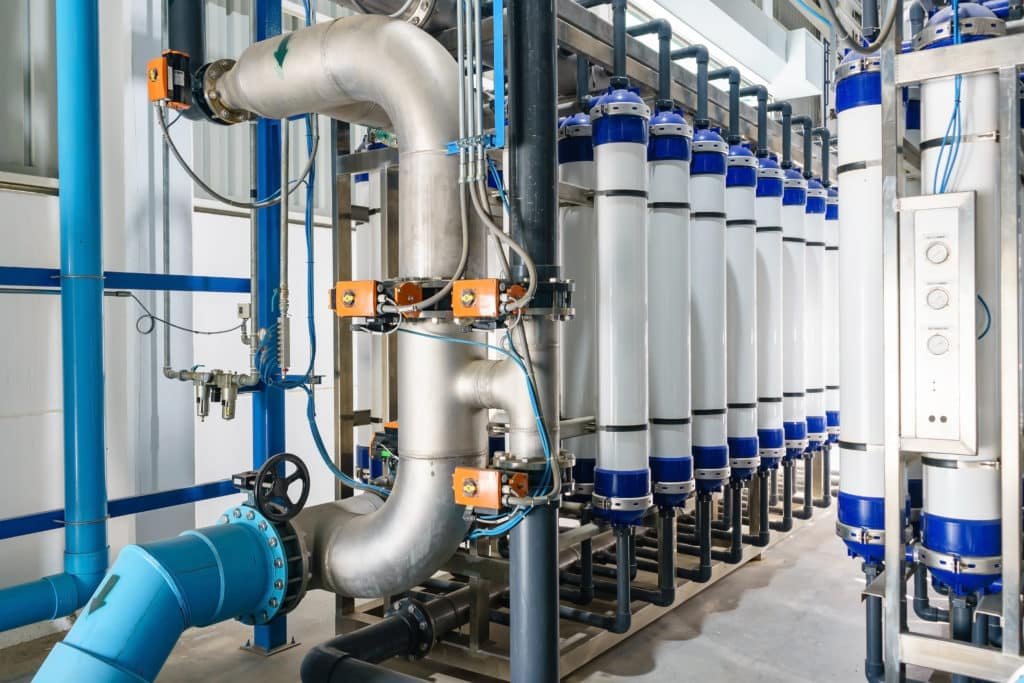
Water plays a much bigger role in business and manufacturing than many people realize. It may be used to cool machinery, generate steam, clean equipment, process raw materials, or support everyday operations. When its quality is overlooked, however, water can become a source of expensive problems rather than a useful resource.
Mineral deposits, suspended solids, corrosion, biological growth, and unwanted contaminants can affect equipment performance and reduce the reliability of an entire facility. That’s why businesses across manufacturing, hospitality, healthcare, food processing, and other industries are paying closer attention to water quality.
A well-planned water management strategy helps companies protect their infrastructure, control operating costs, and maintain consistent performance. It isn’t simply about treating water after a problem appears. It’s about preventing problems before they interrupt the work that keeps a business moving.
Why Water Quality Matters in Industrial Settings
Industrial facilities often depend on water systems that operate continuously under demanding conditions. Even a small change in water chemistry can create long-term consequences. Hard water, for example, contains minerals such as calcium and magnesium that may accumulate inside pipes, heat exchangers, boilers, and cooling equipment.
Over time, these deposits restrict water flow and reduce heat transfer. Machinery then has to work harder to deliver the same results. In some cases, the buildup can cause overheating, unexpected shutdowns, or premature equipment replacement.
Water can also carry substances that contribute to corrosion. When metal components begin to deteriorate, leaks and structural damage may follow. In facilities where hygiene is essential, untreated water may create additional concerns related to bacteria and other microorganisms.
The issue is not always visible at first. Water can look clear and still contain minerals, chemicals, or contaminants that gradually damage equipment. Regular testing is therefore an important part of responsible water management.
The Role of Industrial Water Treatment
Industrial water treatment involves using specialized processes to improve water quality for a particular commercial or manufacturing application. The right approach depends on the source water, the equipment being protected, and how the water will be used.
Common treatment methods may include filtration, softening, reverse osmosis, chemical conditioning, disinfection, demineralization, and pH adjustment. These methods are not interchangeable. A system designed for process water may be very different from one intended for drinking water or boiler feedwater.
The first step is usually a water analysis. Testing helps identify hardness, iron, sediment, dissolved solids, acidity, alkalinity, and other characteristics that may affect performance. Once the water profile is understood, a treatment provider can recommend a system based on actual needs rather than guesswork.
This tailored approach matters because over-treating water can be just as inefficient as under-treating it. Businesses need solutions that are effective, practical, and manageable over the long term.
Protecting Boilers and Cooling Towers
Boilers and cooling towers are among the most water-sensitive systems in many commercial and industrial facilities. They rely on stable water chemistry to operate safely and efficiently.
Boilers heat water to produce steam or hot water for manufacturing, heating, sanitation, and other processes. If untreated water enters the system, scale can form on heat-transfer surfaces. Even a thin layer of scale can reduce efficiency and increase energy demand. Corrosion may also weaken internal components and shorten the service life of the equipment.
Cooling towers face a different but equally important set of challenges. They remove heat from industrial processes and building systems, often through evaporation. As water evaporates, minerals become more concentrated. Without proper control, scale, corrosion, and biological growth can develop quickly.
That is why cooling tower & boiler treatment is a central part of industrial water management. Treatment programs may include filtration, chemical dosing, blowdown control, monitoring, and regular cleaning. Together, these measures help maintain heat transfer, reduce deposits, and keep systems operating within safe parameters.
A good treatment plan also considers water conservation. Excessive blowdown wastes water, while insufficient blowdown can allow dissolved minerals to build up. Finding the right balance supports both equipment protection and responsible resource use.
Why Pre-Treatment and Filtration Should Come First
Many water treatment systems perform better when incoming water is prepared before it reaches advanced equipment. This is where pre-treatment & filtration systems become especially valuable.
Pre-treatment may remove larger particles, sediment, chlorine, organic matter, or hardness before water enters sensitive treatment equipment. Depending on the application, this stage can include sediment filters, carbon filtration, water softeners, multimedia filters, or specialized media designed to target specific contaminants.
Without pre-treatment, advanced systems may become overloaded. Membranes can foul, filters may need frequent replacement, and maintenance costs can rise. In contrast, properly prepared water helps downstream equipment work more efficiently and consistently.
Filtration also protects pumps, valves, heat exchangers, and other components from suspended particles. In facilities using water for cleaning or production, it can improve the consistency of the final process as well.
The best filtration design depends on the water source and the required quality. Municipal water, groundwater, recycled process water, and surface water each present different challenges. A system should be selected after testing rather than based solely on the size of the facility or the advertised capacity of a product.
Improving Efficiency and Controlling Costs
One of the biggest benefits of effective water treatment is improved operational efficiency. When equipment remains free from excessive scale and corrosion, it can transfer heat, move water, and perform its intended function with less strain.
That can reduce energy consumption and help lower maintenance expenses. A boiler that transfers heat efficiently may require less fuel. A cooling tower with controlled mineral levels may operate with fewer interruptions. Pumps and piping systems protected from deposits may maintain better flow rates over time.
Water treatment can also reduce the frequency of emergency repairs. Unplanned downtime is expensive because it affects more than the damaged equipment. Production schedules may be delayed, employees may be unable to work, and customers could experience delivery problems.
Preventive treatment is usually more predictable than reactive maintenance. Instead of waiting for a system failure, businesses can monitor water conditions, schedule inspections, and replace treatment components before performance drops significantly.
The Importance of Monitoring and Maintenance
Installing a treatment system is only the beginning. Water quality can change with seasons, production levels, source-water conditions, and equipment usage. A system that worked well last year may need adjustments today.
Regular testing should be combined with inspections of tanks, filters, pumps, dosing equipment, boilers, and cooling towers. Treatment chemicals must be used carefully and according to the system’s requirements. Incorrect dosing can create new problems, including corrosion, poor disinfection, or unnecessary operating costs.
Digital monitoring tools can also help facility managers track conductivity, pH, temperature, flow, and other key indicators. Early changes in these measurements may reveal developing issues before they become serious.
Staff training is another important consideration. Employees should understand how the treatment system works, what warning signs to watch for, and when professional support is required. A well-maintained system depends on people as much as equipment.
Choosing the Right Treatment Partner
Every facility has different water requirements, so a standard package may not always be the right answer. Businesses should look for a treatment provider that begins with testing and a clear understanding of the site’s operations.
A reliable provider should be able to explain the recommended technology, expected maintenance needs, monitoring requirements, and long-term costs in straightforward language. It should also offer service support, replacement components, and system adjustments when operating conditions change.
The cheapest installation may not be the most economical choice if it requires constant repairs or fails to protect important equipment. A more thoughtful solution can provide better value by reducing risk and supporting dependable performance over time.
A Smarter Approach to Industrial Water Management
Water treatment is no longer just a maintenance concern. It is part of responsible business planning. Clean, properly conditioned water helps facilities protect equipment, maintain production quality, reduce waste, and operate with greater confidence.
The most effective strategy combines water testing, suitable treatment technology, preventive maintenance, and ongoing monitoring. It also recognizes that water needs may change as a business grows or updates its equipment.
By treating water as an operational asset rather than an afterthought, businesses can avoid many costly problems and create more stable working conditions. In the long run, better water management supports not only equipment and efficiency, but also the people and processes that keep an organization running.