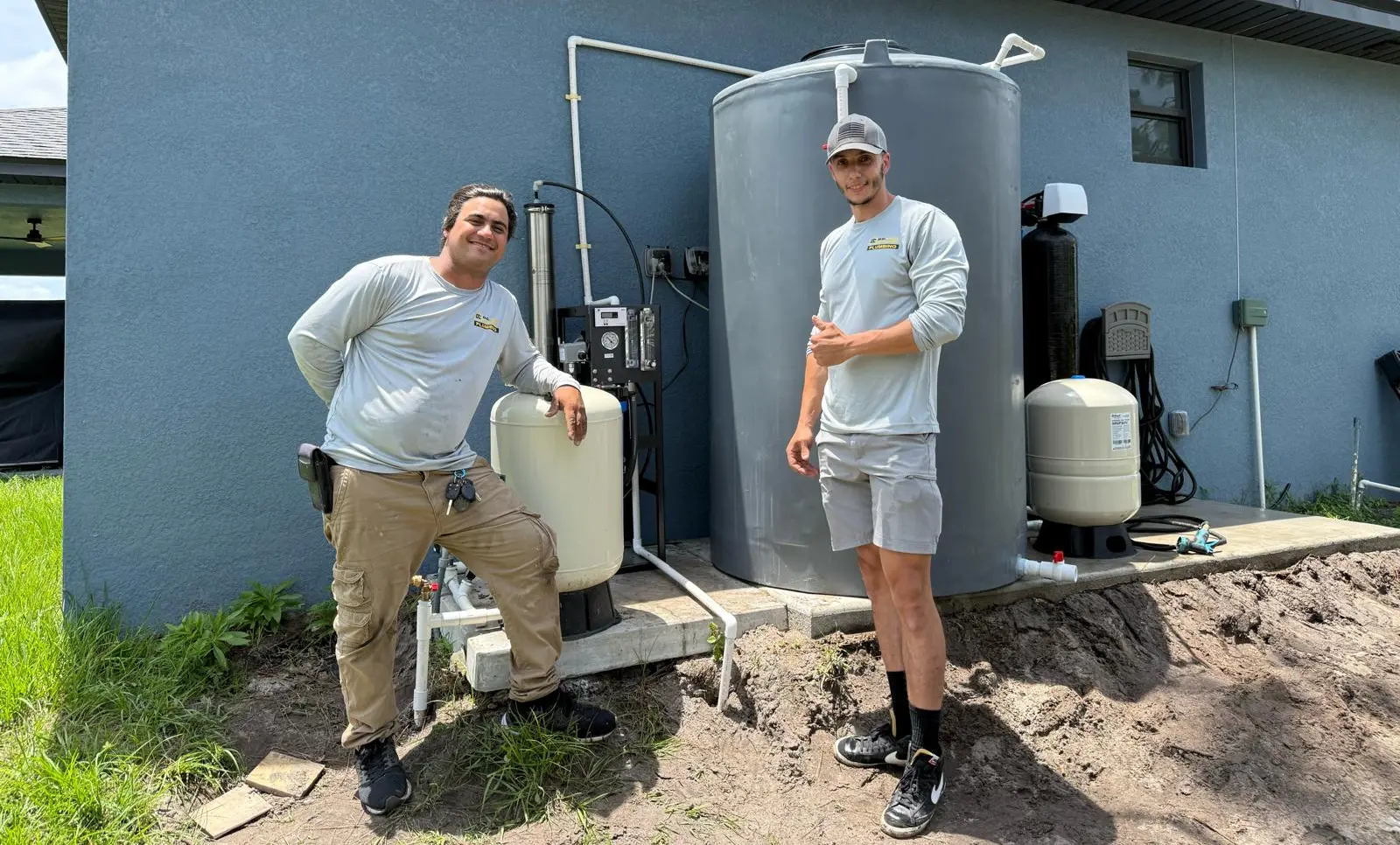
Good water is something most people notice only when it’s missing. A strange taste in morning tea, a cloudy glass, or the lingering smell of chlorine can make an otherwise ordinary part of daily life feel less pleasant. While municipal water is treated to meet safety standards, treatment at the city level doesn’t always address every concern inside your home. Pipes, storage tanks, dissolved minerals, and other impurities can affect the water by the time it reaches your tap.
That’s why many homeowners are exploring advanced filtration options. Among them, reverse osmosis has become a popular choice for people who want cleaner, better-tasting drinking water without constantly buying plastic bottles. But how does it work, and is it the right fit for your household? Understanding the basics can make the decision much easier.
What Is Reverse Osmosis?
Reverse osmosis is a water filtration process that uses pressure to push water through a semi-permeable membrane. This membrane has extremely small pores that allow water molecules to pass through while reducing many dissolved contaminants and unwanted substances.
Unlike a basic carbon filter, which mainly improves taste, odor, and certain chemical impurities, reverse osmosis can address a broader range of dissolved materials. Depending on the system and its certifications, it may reduce substances such as lead, arsenic, fluoride, nitrates, certain salts, and other contaminants.
The process generally includes several stages. Water may first pass through a sediment filter to capture dirt and rust. A carbon filter can then reduce chlorine and organic compounds that might affect taste or damage the membrane. The water moves through the RO membrane before passing through additional filters or a storage tank. Some systems also include ultraviolet treatment or mineral-remineralization stages.
The result is water that is usually clearer, cleaner-tasting, and more consistent from one glass to the next.
Understanding Reverse Osmosis Systems for Home Use
When people search for reverse osmosis drinking water systems, they are usually looking for an under-sink unit designed to provide purified water at a dedicated faucet. These systems are commonly installed in kitchens because drinking, cooking, making tea, and preparing baby food often require better-tasting water.
A typical under-sink system does not treat every drop used in the home. Instead, it focuses on the water consumed directly. This makes it a practical option for households that want improved drinking water without installing a large whole-house filtration system.
There are also countertop and compact RO units available for apartments, rented homes, and smaller kitchens. The best choice depends on available space, water pressure, household size, and the quality of the incoming water.
Before buying, it’s worth checking whether the system includes replacement filters, a storage tank, a dedicated faucet, and installation support. A low purchase price may seem attractive, but maintenance and replacement parts matter just as much over time.
What Makes a Water Purifier System Different?
The term “water purifier” is used broadly, and not every purifier works in the same way. Some use activated carbon, others use ultraviolet light, ultrafiltration, distillation, or reverse osmosis. Each technology has a different purpose.
For homes dealing with high levels of dissolved solids or specific contaminants, reverse osmosis water purifier systems can offer a more comprehensive filtration approach than a simple taste-and-odor filter. However, the system should be selected based on actual water conditions rather than marketing claims alone.
For example, if the main issue is chlorine taste, a carbon filter may be enough. If the water contains excessive dissolved minerals, salinity, or certain dissolved contaminants, RO may be more suitable. A water test can help identify the problem before money is spent on equipment that may not be necessary.
It is also important to understand that no purifier removes every possible contaminant. Performance depends on the membrane, filter quality, water pressure, maintenance, and the specific substances present in the supply.
Why Water Testing Should Come First
A water test is one of the most useful steps before choosing a filtration system. It can reveal information about pH, hardness, total dissolved solids, iron, nitrates, bacteria, and other factors, depending on the test package.
Testing is especially helpful when water comes from a private well, borewell, or an older building with aging plumbing. Even city water can vary by neighborhood, season, and infrastructure.
The test results can guide the selection of filters and help determine whether reverse osmosis is necessary. They may also reveal that a softener, carbon filter, sediment filter, or ultraviolet system would be useful alongside—or instead of—RO.
A reputable water treatment professional should explain the results in plain language. Be cautious of companies that use fear-based sales tactics or recommend expensive equipment without first asking about your water source and concerns.
The Meaning of Bottle-Quality Water at Home
One of the main reasons homeowners consider RO is the desire for bottle-quality water without the inconvenience of purchasing, storing, and disposing of bottled water regularly.
When properly selected and maintained, an RO system can provide water with a clean taste and low levels of many dissolved impurities. This can be especially appealing for drinking water, coffee, tea, soups, and cooking. Many people find that beverages taste fresher when the water itself has fewer unwanted flavors.
Still, bottle-quality should not be interpreted as a guarantee that every RO system produces identical results. Bottled water varies by brand and source, and household filtration systems vary by design and condition. The quality of the final water depends on the equipment, the incoming supply, filter changes, sanitation, and proper installation.
The safest approach is to choose a system with reliable performance information and maintain it according to the manufacturer’s instructions.
Maintenance Is Part of the Investment
Reverse osmosis systems require regular maintenance. Sediment and carbon filters need replacement at recommended intervals, while the membrane may last longer depending on water quality and usage. Waiting too long can reduce performance and create hygiene concerns.
The storage tank and faucet should also be kept clean. If the system includes a remineralization filter, that component needs attention as well. Filter replacement schedules differ, so homeowners should avoid relying on a universal timeline.
A service provider can help monitor system performance, inspect connections, check pressure, and replace filters correctly. Keeping simple records of installation and filter changes can prevent maintenance from being forgotten.
Is Reverse Osmosis Right for Your Home?
Reverse osmosis can be a valuable choice when water testing identifies dissolved contaminants or when taste and water quality concerns cannot be solved with simpler filtration. It is particularly useful for drinking and cooking water in homes where people want a dedicated source of purified water.
However, it may not be necessary for every household. RO systems can use more water than they produce, although newer models are designed to improve efficiency. They also remove certain minerals, require filter replacements, and may need adequate water pressure to work properly.
The right decision comes down to your water quality, budget, available space, environmental priorities, and daily needs.
Better water doesn’t always require the most complicated equipment. It requires the right solution for the water entering your home. With proper testing, thoughtful product selection, and consistent maintenance, reverse osmosis can become a dependable part of a healthier, more convenient everyday routine.