Water quality is one of those things we rarely think about until something goes wrong. Maybe the water develops an unusual smell, mineral deposits begin collecting around the taps, or the water heater starts making noises it never made before. These small changes can be easy to ignore, but they often tell us something useful about the condition of our water and plumbing.
A good water treatment setup can make everyday life more comfortable, while regular equipment maintenance helps prevent avoidable problems. The trick is knowing which solutions suit your home, what different systems actually do, and when it makes sense to call a professional. Not every household needs the same equipment, and spending money on a system without understanding the problem can lead to disappointing results.
Understanding the Role of Ozone in Water Treatment
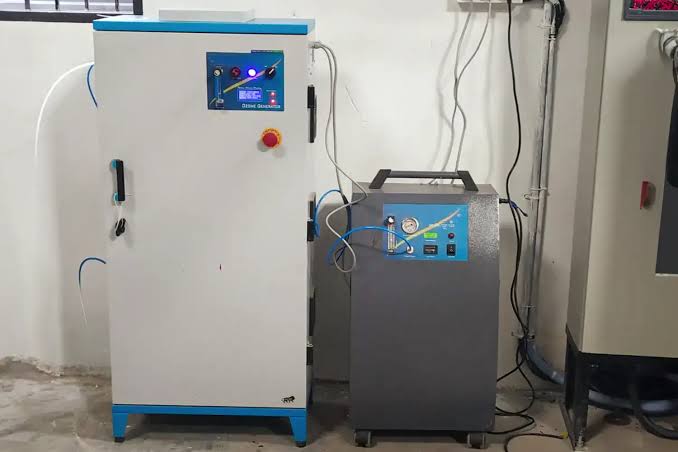
Ozone is a powerful oxidizing agent used in several water treatment applications. When introduced into water under suitable conditions, it can help control certain microorganisms, break down some unwanted compounds, and reduce odors associated with particular contaminants. Unlike treatments that rely on leaving a disinfectant residual in the water, ozone reacts relatively quickly and then decomposes back into oxygen.
For homeowners, ozone systems may be worth exploring when water testing identifies a problem that ozone treatment is designed to address. They can be used in certain residential, commercial, and specialized water treatment applications, although their effectiveness depends on water chemistry, equipment design, contact time, and the contaminants involved.
Ozone is not a universal solution, however. It does not reliably remove every dissolved mineral, salt, or chemical from water. Some applications may also produce by-products that need to be considered, depending on the source water. That is why choosing equipment should begin with testing rather than assumptions based on taste or appearance alone.
Start With a Clear Picture of Your Water
Water that looks perfectly clean may still contain dissolved substances that affect its quality. On the other hand, cloudy water or a metallic taste does not automatically indicate a serious health risk. Different symptoms can have different causes, and guessing rarely leads to the best long-term solution.
A professional water test can help identify hardness, iron, manganese, pH, and other relevant characteristics. Depending on whether your property uses a private well or a municipal supply, additional testing may be appropriate. Well owners, in particular, should follow local recommendations for testing for bacteria, nitrates, and other contaminants that can vary with location and environmental conditions.
Once the results are available, treatment becomes a more straightforward decision. A sediment filter may help with suspended particles, while activated carbon can reduce certain tastes, odors, and organic compounds. Reverse osmosis may be appropriate for selected dissolved contaminants at a drinking-water tap. Water softeners address hardness minerals, but they do not replace disinfection or remove every contaminant.
The best system is not necessarily the most expensive one. It is the system that addresses the actual problem without creating unnecessary complexity.
Don’t Overlook Your Water Heater
Water treatment is only one part of household water care. The equipment that heats your water deserves attention, too, particularly if your home has hard water or an older storage-style water heater.
Inside many tank-style heaters, minerals can settle and accumulate over time. This sediment may contribute to popping or rumbling sounds, reduced heating efficiency, and other maintenance concerns. The severity depends on water conditions, the heater’s design, and how regularly it has been serviced.
Another important component is the anode rod. This metal rod is designed to corrode in place of the steel tank, helping protect the tank from corrosion. As the rod gradually wears away, it may eventually need replacement. The material, size, and service life vary by heater model and water conditions, so there is no single replacement schedule that works for every home.
Checking the rod periodically can help extend the useful life of some storage water heaters. Still, accessing it may require specialized tools, and the correct procedure depends on the unit. If you are unfamiliar with water heater maintenance, a qualified technician can inspect the component and explain whether replacement is necessary.
It’s also worth remembering that not every water heater uses the same protective design. Follow the manufacturer’s instructions rather than assuming your equipment has a conventional replaceable rod.
How Water Quality Can Affect Everyday Comfort
Hard water is a common source of household frustration. It can leave chalky deposits on showerheads, cloudy marks on glassware, and residue around sinks. Soap may also be harder to rinse away, leaving skin feeling less comfortable after a shower.
These issues are usually associated with calcium and magnesium rather than dirt. A conventional water softener exchanges hardness minerals for other ions, often sodium, while salt-free conditioning technologies generally work differently and may not actually remove hardness from the water. Understanding that distinction helps homeowners set realistic expectations.
If the main concern is drinking-water taste, a point-of-use filter may be sufficient. If several bathrooms and appliances are affected by scale, a whole-house solution might make more sense. And if a strong rotten-egg odor appears, the cause should be identified before buying equipment, because sulfur compounds, bacteria, and plumbing conditions can all play a role.
Small details matter here. A system that works well for one property may perform poorly in another because the source water is different.
Maintenance Is Part of the Solution
Even a well-designed water treatment system needs routine care. Filters have limited service lives, treatment media can become exhausted, and mechanical components may need adjustment. Skipping maintenance can reduce performance and, in some cases, allow the original water quality problem to return without obvious warning.
Keep a record of installation dates, filter changes, water test results, and professional service visits. It doesn’t need to be elaborate; a note on your phone is often enough. Check the manufacturer’s recommended schedule, since filter replacement intervals vary with the product and the amount of water used.
Ozone equipment deserves particular attention to safe installation and operation. Ozone gas can irritate the lungs, so systems should be designed to prevent unsafe exposure and installed according to the manufacturer’s safety requirements. Never assume that a device is suitable for drinking-water treatment simply because it produces ozone.
Water heaters should also be serviced according to their manuals. Temperature and pressure relief valves, electrical or gas connections, and other safety-related components should not be neglected. If you notice leaks, burning smells, unusual electrical behavior, or persistent performance problems, arrange a professional inspection.
Compare Options Before Making a Decision
Buying treatment equipment can feel confusing, especially when different companies recommend different approaches. Ask each provider to explain what the proposed system removes or controls, what it does not address, and what ongoing costs to expect. These costs may include replacement filters, salt, electricity, maintenance visits, and eventual equipment replacement.
Request written details about warranties, installation work, and any required plumbing changes. If a provider makes broad claims about eliminating every contaminant, ask for supporting test data and product certifications relevant to your particular concern.
A reputable company should be comfortable discussing alternatives, including simpler options when those are enough. It should also explain whether follow-up testing is recommended to confirm that the system is performing as intended.
Before committing, you can request a free quote to understand the expected installation cost and compare suitable options. Make sure the estimate clearly describes the equipment, labor, maintenance requirements, and any additional charges. A free estimate is useful, but the real value comes from receiving advice that is specific to your home rather than a one-size-fits-all sales pitch.
A Practical Approach to Better Water
Good water quality usually comes from a series of sensible decisions, not one miraculous device. Test the water, identify the problem, choose a treatment method that fits the results, and maintain the equipment once it is installed. Keep your water heater in the picture, too, because protecting plumbing and heating equipment is part of caring for your home’s water system.
You may not notice every improvement immediately. Sometimes the difference is simply fewer mineral deposits, more consistent hot water, or the confidence that your treatment equipment is doing its job. Those everyday benefits matter.
Ultimately, the smartest investment is an informed one. When you understand your water and know what your equipment can realistically accomplish, it becomes much easier to make choices that support comfort, reliability, and long-term value.