Category: Travel

  • Best Beach Resorts on the East Coast of Malaysia

    Best Beach Resorts on the East Coast of Malaysia

    The east coast of Peninsular Malaysia offers a beach experience that feels distinctly different from the more developed west coast and island destinations. When it comes to travel planning, finding the right Royale Chulan Cherating option makes all the difference. Here, the pace slows down, the sand stretches wider, and the South China Sea delivers waves that actually roll rather than lap. From the turtle-nesting shores of Terengganu to the surf breaks of Pahang, the east coast rewards travellers who want genuine coastal atmosphere without the resort-town bustle.

    Why the East Coast Stands Apart

    The west coast has Langkawi and Penang, both excellent in their own right, but the east coast trades polished infrastructure for raw natural beauty. Fishing villages dot the shoreline between resort clusters, and the cultural influence of Malay traditions runs deeper here than in the more cosmopolitan west. The monsoon season from November to February shuts down many beachfront operations, which means the open months from March to October feel special — a defined window that concentrates the best weather and liveliest atmosphere.

    Cherating and Its Laid-Back Charm

    Cherating in Pahang has long been a favourite among travellers who prefer their beaches relaxed rather than manicured. The village atmosphere, surf culture, and turtle conservation centres give it a character that larger resort towns lack. Royale Chulan Cherating is one of the standout properties here, offering beachfront villas and rooms that blend traditional Malay design with modern comforts. The resort sits on a stretch of beach that catches consistent swells, making it popular with both surfers and families who enjoy watching the waves.

    The Islands of Terengganu

    Pulau Redang and Pulau Perhentian are the headline island destinations off the Terengganu coast. Both offer crystal-clear water, vibrant coral reefs, and a back-to-basics island atmosphere that feels far removed from mainland life. Redang skews slightly more upmarket, with a handful of resort properties offering air-conditioned rooms and buffet dining. Perhentian splits into two islands — Besar for quieter stays and Kecil for the backpacker and dive crowd. Boats depart from Kuala Besut and Merang jetties, and advance booking is advisable during peak months.

    Kuantan and Surroundings

    Kuantan serves as the east coast’s main urban hub and the gateway to several nearby beach areas. Teluk Cempedak beach is the most accessible from the city centre, with a handful of hotels right on the sand. Further south, the coastline toward Pekan offers quieter stretches where you can walk for twenty minutes without seeing another person. Royale Chulan Cherating sits about forty minutes north of Kuantan, making the city a convenient arrival point for guests heading to the resort.

    Desaru Coast in Southern Johor

    Desaru has transformed from a quiet local beach into a full-scale resort destination over the past few years. The integrated development includes international hotel brands, a water park, a golf course, and adventure activities along the coast. It is the most accessible east coast beach option for visitors coming from Johor Bahru or Singapore, with the drive taking just over an hour. The beach itself is wide and well maintained, though the water can be murky compared to the islands further north.

    Choosing the Right Resort for Your Trip

    Budget, travel style, and timing all shape which east coast resort suits you best. Families with young children may prefer the calm waters and structured activities at Desaru or Redang. Couples and solo travellers looking for atmosphere will find Cherating and Perhentian more rewarding. Checking Traveloka Malaysia for resort packages during shoulder months — March, April, and September — often turns up the best combination of fair pricing and pleasant weather. Royale Chulan Cherating regularly appears in bundle deals that include breakfast and beach activity credits.

    Practical Tips for East Coast Travel

    Fly into Kuantan or Kota Bharu for the northern stretches, or drive from KL in about three to four hours. Road conditions are generally good along the east coast highway. Pack reef-safe sunscreen if you plan to snorkel at the islands, and bring cash for smaller establishments that do not accept cards. The east coast rewards visitors who slow down and settle in for a few days rather than rushing between stops.

  • A Threeland Review for My First Trip to Vietnam

    A Threeland Review for My First Trip to Vietnam

    There’s something magical about taking a journey to a place you’ve never been before — the thrill of the unknown, the joy of discovery, and the stories you collect along the way. That’s exactly what I experienced on my first trip to Vietnam, a country that had always intrigued me with its blend of rich history, vibrant culture, and breathtaking natural beauty. After extensive research and countless travel blogs, I decided to book my adventure with Threeland Travel — a decision that made all the difference.

    Why I Chose Threeland Travel

    Planning an international trip, especially to a culturally rich and diverse country like Vietnam, can be overwhelming. With so many options out there, I was searching for a travel partner that not only offered organized and immersive tours but also understood what first-time travelers truly need. Threeland Travel stood out from the crowd with its excellent reviews, flexible packages, and reputation for being one of the best tour companies for Vietnam.

    Their website was easy to navigate and showcased a variety of Vietnam travel tour packages that catered to different travel styles — from luxury getaways and adventure excursions to cultural deep dives and beach holidays. What I appreciated most was their ability to customize an itinerary based on my personal preferences. I wanted a balanced experience that combined iconic sights with local flavors and some off-the-beaten-path gems — and that’s exactly what I got.

    From Hanoi’s Buzz to Ha Long Bay’s Tranquility

    My journey began in Hanoi, a city that buzzes with energy and echoes of the past. Threeland arranged a warm airport pickup and a smooth check-in to a charming boutique hotel in the Old Quarter. What I appreciated right away was their attention to detail — from the thoughtfully selected accommodations to the knowledgeable local guide who introduced us to the city’s vibrant street food scene and historical landmarks.

    Hanoi was a sensory delight. The aroma of Vietnamese coffee, the sizzle of food carts, and the symphony of scooters created a dynamic rhythm that was both exciting and immersive. I had never tasted pho quite like the one I had at a tiny family-run eatery Threeland recommended — it was unforgettable.

    From there, we made our way to Ha Long Bay. The cruise organized by Threeland was a dream. Aboard a traditional yet luxurious junk boat, we sailed past limestone karsts that rose dramatically from emerald waters. Kayaking through hidden lagoons, visiting floating fishing villages, and watching the sunset from the deck were experiences that felt straight out of a travel magazine.

    Exploring Central Vietnam: Hue and Hoi An

    Next, we flew to Hue, the former imperial capital. Threeland’s guide here had deep knowledge of the region’s royal history and made the citadel come alive with stories of emperors, concubines, and ancient rituals. The pace of the tour was perfect — unhurried, yet packed with insights.

    Hoi An was where I truly fell in love with Vietnam. The lantern-lit streets, the riverside cafes, and the timeless charm of this UNESCO World Heritage town were absolutely enchanting. With Threeland, I had the opportunity to take a cooking class in a local home, visit artisan workshops, and even get a custom outfit made in one of the town’s famous tailor shops. These small, curated experiences were what made the trip feel so special.

    The Southern Charm: Saigon and the Mekong Delta

    Our final stop was Ho Chi Minh City, also known as Saigon. Here, the contrast between old and new was striking — towering skyscrapers beside French colonial buildings, traditional markets next to modern malls. Threeland balanced our time perfectly, allowing us to dive into the city’s wartime history at the Cu Chi Tunnels and War Remnants Museum, while also giving us time to explore its lively food and art scenes.

    We ended the trip with a relaxing day exploring the Mekong Delta, where we drifted past rice paddies and coconut groves on a small boat. Meeting local farmers, tasting tropical fruits fresh from the orchards, and understanding life on the delta gave me a deeper appreciation of Vietnam’s rural life and resilience.

    What Made Threeland Travel Stand Out?

    Reflecting on the entire experience, it’s clear that what made this trip seamless and memorable was the way Threeland handled everything. Their team was consistently responsive, professional, and genuinely passionate about showcasing Vietnam in a way that felt personal rather than touristy. They took care of every logistics, but also left enough room for spontaneity, allowing me to wander, discover, and connect.

    Another major plus was the guides. Each one brought something unique to the table — whether it was humor, historical knowledge, or local anecdotes. Their English was excellent, and they made navigating language barriers and cultural differences smooth and enjoyable.

    Most importantly, I always felt safe and well taken care of. As a first-time visitor to Vietnam, this sense of security and trust was invaluable.

    Frequently Asked Questions

    What kind of Vietnam travel tour packages does Threeland offer?

    Threeland Travel offers a wide range of packages, including cultural tours, adventure trips, luxury escapes, beach holidays, and tailor-made journeys. They cater to solo travelers, couples, families, and small groups, with flexible durations and customization options to match different interests and budgets.

    Is Threeland suitable for first-time travelers to Vietnam?

    Absolutely. Their team provides full support from the moment you inquire to the day you return home. They handle accommodations, transport, guides, and even local recommendations, making the experience easy and enjoyable for first-timers.

    How are the accommodations and transport arranged?

    Threeland carefully selects accommodations based on comfort, location, and service quality. They typically include boutique hotels in city centers, heritage resorts in cultural towns, and well-reviewed cruise options in Ha Long Bay. Transport includes air-conditioned vehicles, internal flights, and boats, depending on your itinerary.

    Can I customize my Vietnam tour with Threeland?

    Yes. One of the best things about working with Threeland is their flexibility. Whether you want to add extra days, include specific activities, or adjust the pace of the tour, they’re more than happy to work with you to personalize your experience.

    How do I book with Threeland Travel?

    You can start by visiting their official website and browsing the available tours. From there, you can fill out a contact form or connect with a travel consultant via email. They respond promptly and will guide you through the next steps based on your preferences.

    Final Thoughts

    Traveling to Vietnam for the first time is a life-changing experience — one that can open your eyes to a new way of life, deepen your appreciation for history and culture, and leave you with unforgettable memories. Choosing the right tour company makes all the difference, and for me, Threeland was that perfect choice.

    From the rice terraces of the north to the floating markets of the south, every moment felt curated with care. If you’re looking for the best tour company for Vietnam that offers well-rounded, authentic, and meaningful experiences, Threeland should be at the top of your list. My journey with them wasn’t just a vacation — it was a true immersion into the heart and soul of Vietnam.

  • Thrill-Seekers Unite: The Ultimate Adventure at Skyline Luge Kuala Lumpur Awaits!

    Thrill-Seekers Unite: The Ultimate Adventure at Skyline Luge Kuala Lumpur Awaits!

    Unveiling the Skyline Luge ExperienceWhat is Skyline Luge?

    Skyline Luge is an exhilarating ride that combines the thrill of sledding, go-karting, and tobogganing into one dynamic experience. Originally from New Zealand, this recreational sport has spread globally, providing thrill-seekers with a unique, gravity-fueled escapade. The concept is simple yet thrilling: riders make their way down a track using a three-wheeled luge cart, maneuvering with just the tilt of their bodies.

    At the skyline luge kuala lumpur, part of the charm lies in the cart’s innovative design, which has been crafted to enhance safety without compromising speed. This means every run down the winding tracks is not only fun but also securely managed.

    The Thrill Factor

    Skyline Luge appeals to all adrenaline levels by perfectly blending speed with safety. Each rider has full control over their descent speed, allowing them to slow down or speed up at their discretion. The tracks are constructed with meticulous attention to safety, ensuring that all ages can enjoy the ride without worry.

    For families looking for tailored experiences, the Luge offers various track options and ride difficulties that cater to both young children and thrill-seeking veterans. This inclusivity makes Skyline Luge a universally enjoyable adventure.

    Exploring the TrackNight Luge

    When the sun sets, the adventure at Skyline Luge Kuala Lumpur doesn’t slow down. The track transforms with illuminations that trace the path’s twists and turns, creating a visually stunning night-time experience. Under the glow of the lights, the thrill of the luge takes a mystical turn, providing an enchanting ride through the night.

    Daytime Adventures

    Daytime rides at Skyline Luge are unbeatable, thanks to the spectacular scenic views along the track. As you swoop down the slopes, you’re treated to panoramic views of Kuala Lumpur’s skyline, unfolding from a vantage point like no other. These breathtaking sights offer a fresh perspective on the bustling city and are perfect for those keen to discover Kuala Lumpur from an exhilarating angle.

    Planning Your VisitTicket Information

    Planning your adventure to Skyline Luge Kuala Lumpur is straightforward, thanks to platforms like Traveloka Malaysia, which provide detailed admission information. Visitors can choose from various ticket options that cater to different group sizes and needs. Moreover, those booking through skyline luge kuala lumpur can often secure special packages and discounts, making the trip more enjoyable and wallet-friendly.

    Safety Measures

    Skyline Luge Kuala Lumpur does not compromise on safety. Helmets and all necessary gear are provided to riders, and all equipment is regularly maintained to meet high safety standards. In light of the ongoing global health situation, stringent COVID-19 precautions are in place, including regular sanitization of the equipment and mandatory health checks for all visitors and staff.

    Enhancing Your AdventureBeyond the Tracks

    While the luge ride itself is a major draw, the surrounding area is bustling with attractions that can complete your day out. Nearby attractions include local parks, shopping districts, and cultural sites, making it easy to extend the fun. These family-friendly activities ensure that every member of your party has something to enjoy.

    A Perfect Day Out

    Skyline Luge Kuala Lumpur is equipped with a variety of dining options to refuel after your adventures. Whether you’re in the mood for a quick snack or a hearty meal, you’ll find something to suit your taste. Additionally, the venue boasts several souvenir shops where you can purchase keepsakes to remember your thrilling day.

    The Luge Community: Stories and ExperiencesTestimonials from Luge Enthusiasts

    Skyline Luge is not just an activity but a community. Many riders, from first-timers to seasoned enthusiasts, share their stories of excitement and adventure. These testimonials often highlight personal triumphs, hilarious moments, and the sheer joy of the ride, encouraging others to experience the thrill.

    Luge Racing Events

    For those looking for a bit more competition, Skyline Luge Kuala Lumpur frequently hosts luge racing events. These events are an excellent opportunity for you to test your skills against others in a friendly and spirited environment. Whether you choose to participate or spectate, these special event days offer a whole new level of excitement and community engagement.

    With unparalleled rides and comprehensive facilities, skyline luge kuala lumpur, featured on Traveloka Malaysia, promises an adventure that’s not just about adrenaline but also safety, convenience, and a spectacular appreciation of the locale. Whether you are conquering the track solo or racing with friends, it’s an experience that truly lives up to the hype for every thrill-seeker visiting Kuala Lumpur.

  • Everest Base Camp and Gokyo Trek Exploring the Himalayas with a Sherpa by Your Side

    Everest Base Camp and Gokyo Trek Exploring the Himalayas with a Sherpa by Your Side

    It’s no secret that trekking to Everest base camp and Gokyo Lakes is the dream of adventurers and nature lovers, they are among the most breathtaking and spectacular experiences the world has to offer. The endless mountains, the breathtaking scenery, and the tough trek make this the most perfect setting for an adventure that will stay in your memory for a lifetime. But the real soul of this adventure reveals itself with the step of a Sherpa by your side. Over millennia, Sherpas, the local ethnic group indigenous to the Khumbu region, have gained profound knowledge and expertise of the Himalayan ecosystem, becoming skilled mountaineers who guide trekkers on difficult terrain.

    A Sherpa guide takes the trek up a notch in so many ways. First and foremost, Sherpas are high-altitude trekking experts. Equipped with impressive acclimatization skills, they guide trekkers in circumventing altitude sickness — a common danger in Everest territory. They know when to slow down, when to stop for a rest, and how to adapt the route to ensure your body gets accustomed to the thin air. This customized process of acclimatization is essential for a successful trek.

    In addition to safety, Sherpas provide a wealth of cultural experience. Sherpas are also cultural ambassadors with their deep knowledge of the region’s history, tradition,s and spiritual significance. While you hike through remote villages and past centuries-old monasteries, a Sherpa will share stories and insights about the Sherpa community, the Buddhist practices, and the sacred significance of the mountains. This link to the land and its people enhances the experience, transforming a physically demanding hike into a spiritual and cultural pilgrimage.

    In addition, the Sherpa handles every logistical element down to even arranging permits and the food and accommodation along the way. With their intimate knowledge of the region’s best tea houses and hidden gems, your journey is guaranteed to be seamless and enriching. A Sherpa takes the guesswork out of you and you can sit back, and enjoy the landscapes and the thrill of reaching Everest Base Camp or the Gokyo Lakes, with the peace of mind that your trek is in good hands.

    Everest Base Camp and Gokyo Trek Overview

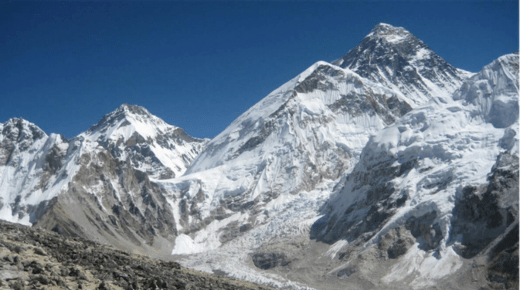
    The Everest Base Camp (EBC) and Gokyo Lakes treks are two of the most popular treks in the Himalayas that allow trekking enthusiasts to explore the majestic Mount Everest and the surrounding peaks. The EBC trek brings you to the base of the world’s tallest mountain, where you can admire Everest as well as Lhotse and Nuptse up close. Along the way, trekkers wade through Sherpa villages, monasteries, and rhododendron forests before arriving at the iconic base camp. On the other hand, the Gokyo Lakes trek is a relatively peaceful and calm hike, allowing trekkers to visit a chain of high-altitude lakes that sparkle blue and turquoise. A challenging climb up Gokyo Ri, round out the Gokyo trek where trekkers are rewarded with 360-degree views of not only Everest but all the giants of the Himalayas. Both treks are physically demanding and both will require good fitness and stamina due to the elevated altitude and rugged nature of the trails. Whichever trek you choose, both provide the perfect blend of natural beauty and cultural experience. With the right preparation including acclimatization, the trek can be done safely and you will find incredible landscapes in the Everest region.

    What Does a Sherpa Do on a Trek in the Himalayas?

    Sherpas: you cannot trek in the Everest region without them — as guides, porters, and cultural ambassadors. The Sherpa people, native to the Khumbu area of Nepal, have an unprecedented grasp of the local terrain, climate, and altitude circumstances. Beyond being just guides who help trekkers get through the trail, Sherpas are responsible for the safety, well-being, and comfort of trekkers at every step of the way of the journey. They know how to navigate the rough mountain trails, and they offer important physical help by carrying heavy loads, going ahead of groups to set up camps, and assisting trekkers with altitude. Sherpas also play a key role in acclimatization, identifying symptoms of altitude sickness, and advising trekkers on rest, hydration, and pacing. Moreover, besides acting as guides, Sherpas also provide cultural insights, imparting knowledge of the local customs, history, and spirituality of the Sherpa people. Many Sherpas are trained in first aid and rescue missions; their unfamiliarity with the mountain does not hinder their knowledge. With a Sherpa guide: a trek could be a safe adventure as well a safer, but it would also enrich your trip, as a walk on the local culture and environment.

    Demystifying the Terrain: Gokyo or Everest Base Camp?

    Gokyo and Everest Base Camp Trek For both the Everest Base Camp (EBC) and Gokyo Lakes trek, every trekker will have a unique trekking experience in the Everest region, but with different routes and difficulties. The EBC trek is iconic in its own right but takes trekkers along a well-vetted path through numerous Sherpa villages, monasteries, and high-altitude meadows. The route is pretty straightforward but includes steep climbs and descents on rocky or uneven trails. The hike to Everest Base Camp itself is a grueling final push from Gorak Shep, with breathtaking vistas of Everest and its neighboring peaks along the way. The landscape is breathtaking, with glaciers, icefalls, and moraine fields making up the topography. The Gokyo Lakes trek on the other hand, in comparison, is a much quieter and more peaceful trek, with the additional challenge of crossing the Cho La Pass, between Everest Base Camp and the Gokyo Lakes is a high-altitude pass. The Gokyo trek also takes trekkers to see the turquoise Gokyo Lakes and an ascent to Gokyo Ri for one of the most stunning panoramic views of the Himalayas. The Gokyo trek is also as physically challenging as other treks with its steeper climbs and sections of snow-covered routes. Although both treks take you on a stunning journey through the Himalayas, the Gokyo trek is quieter and the EBC trek is exciting because you actually stand at the base of Everest.

    Step-by-Step Planning Your Trek with Sherpa

    You need to prepare well for a trip to Mt Everest Base Camp or Gokyo Lakes, and that is where the experience of a Sherpa would help. Sherpas have years of experience and local knowledge, which allows them to create an itinerary that provides a safe ascent and maximum acclimatization. They assist in tailoring the trek to fit your fitness level in consideration of the demanding conditions of high-altitude trekking. Sherpas also navigate logistics like permits, hotels, and porters to transport trekking gear. This ensures that all trekkers have the opportunity to enjoy everything their adventure has to offer without having to worry about the little details. And Sherpas offers essential advice on pacing, looking out for you not to overdo it early (often the best preventive measure to avoid altitude sickness). With the ability to adjust the trek’s daily plan based on weather, trail closures, or some other surprise, Sherpas offer flexibility in planning that can make a real difference in the success of your trip. And when and where to take breaks so that they are enough to prepare your body, especially for a high altitude trek like EBC and Gokyo that has you walking at elevations of close to 17000 feet. In short, a Sherpa’s job in planning your trek is to develop a safe and enjoyable experience that is personalized for you and makes sure to craft a safe journey for you to be able to enjoy the beauty of the Himalayas without any need to sacrifice your safety.

    Overcoming High Altitude Hurdles

    Everest Base Camp Trek with Gokyo There are a lot of challenges when it comes to high-altitude trekking, especially while trekking in the Everest or Gokyo regions, where you will be climbing through altitudes above 5,000 meters. Altitude sickness is one of the biggest challenges in this region, especially for those trekkers ascending too fast and not allowing enough time for their bodies to acclimatize to the decreasing levels of oxygen. Those symptoms can include headaches, dizziness, and nausea, and they can become worse if left unaddressed. The presence of Sherpas greatly reduces the risks involved when trekking in Nepal; they guide trekkers on a gradual path to comfortably acclimatize. They also tell trekkers when to stop, how much to drink, and the importance of eating well to keep energy levels up. A further challenge is the physical strain of trekking across rough, uneven land, where balance and endurance are important. With their experience navigating these trails, Sherpas advises on pacing and helps trekkers avoid injuries. But rain, snow, and wind can pose difficulties, along with bitter cold. Sherpas are experienced in evaluating the weather and making changes to itineraries when necessary, which is important to be safe on the trail. Mental grit is also tested in high-altitude settings where fatigue and malaise can wear you down. As a guide, Sherpa acts as a motivator, provides emotional help, and boosts the confidence of the tenant.

    A glimpse into cultural aspects from your Sherpa Guide

    Sherpas provide trekkers an opportunity to experience the rich cultural heritage of the Himalayan region. Sherpas, indigenous to Nepal’s mountainous Khumbu region, revere mountains as sacred beings. On the Everest Base Camp and Gokyo treks, Sherpas share interesting cultural information on the spiritual beliefs, customs, and lifestyle of the Sherpa people. So for example, there might be stories about the part Buddhism plays in their everyday lives as a way to explain things like the monasteries, prayer flags, and the reason the mountains are sacred. Many Sherpas work at local monasteries, and their spiritual insight can provide trekkers with a much deeper insight into the region’s religious customs. The sherpas also share perspectives on their community’s history and legendary feats such as serving as guides and porters in high-altitude mountaineering. Trekkers can discover the Sherpa people’s unique customs, including their traditional dress, food, and festivals. Such exchanges contribute greatly to the trekking experience and turn a physical challenge into an experience that is embedded in the local culture. In the long run, though, Sherpas play an invaluable role in educating trekkers about the region’s environmental conservation efforts and the impact tourism has on the local community. Sherpas introduce trekkers to their culture and stories, which ultimately helps them understand and respect the mountains and the people who live there.

    Acclimatization and its Importance

    Gokyo to Everest Base Camp Trek Acclimatization is one of the key elements of a successful Everest Base Camp or Gokyo trek, particularly with the high altitudes that these trails reach. As trekkers rise higher, the air gets thinner and the amount of oxygen decreases, which may lead to altitude sickness if accepted treatment is not laid aside. Acclimatizing gives you a good chance at coping with the lower oxygen levels and low-oxygen antics of altitude sickness.

    Their Sherpas are also the experts in high-altitude trekking and how gradual ascent is key to life. They operate on a “climb high, sleep low” policy, meaning we will go up high during the day and then descend to a lower altitude each night to sleep. This allows your body to make more red blood cells, which increases its capacity to carry oxygen. The Sherpas also advise that you stop at strategic points like Namche Bazaar and Dingboche, where trekkers can rest and acclimatize before proceeding on the ascent.

    Sherpas are also adept at gauging for symptoms of altitude sickness, like headaches, dizziness, or nausea. If symptoms do develop, they know how to respond quickly, whether it’s to slow down, suggest hydration, or descend to a lower altitude if necessary. The Sherpa ensures that enough acclimatization is promoted throughout the trek, which greatly reduces the risks that come with trekking at high altitudes.

    The Sacred Link Between the Himalayas and Spirituality

    Sacred Land: The Himalayas are a sacred place not only for the local Sherpa people but for people of many faiths. Sherpas refer to Mount Everest, or Chomolungma in Tibetan, as the “Mother Goddess of the World,” and many trekkers come here not only for the physical challenge but for the spirituality that comes with it.

    Trekking with a Sherpa adds depth to the spiritual journey. Sherpas have a deep connection to the land and often share anecdotes about the spiritual meaning of the mountains, the rituals performed by local Buddhist monks, and the numerous sacred sites along the trail. The whiff of floating prayer flags, the sound of Buddhist mantras from monks, and the sight of magnificent monasteries give so much calming energy to the environment.

    Your Sherpa guide acts as a bridge to understanding these spiritual aspects, describing the cultural significance of each location — like the Tengboche Monastery — and explaining the sacred rituals that you may witness. The spiritual aspect adds a level of depth to your experience, as you have numerous opportunities along the trails to ponder the beauty and grandeur of the Himalayas.

    Hiking this sacred area with a Sherpa accompanying you offers a glimpse into the region’s deep and rich spiritual heritage, making for an experience that’s as emotionally and spiritually rewarding as it is physically challenging.

    Safety on the Trek and Emergency Preparedness

    When hiking to Everest Base Camp or Gokyo Lakes, safety must be one of your top priorities considering the difficulty of the terrain, variable weather, and high-altitude environments. A Sherpa’s knowledge of trekking safety and emergency preparedness is invaluable at every stage of the journey.

    Sherpas receive training in first aid and also know how to spot the signs of altitude sickness, a condition that afflicts some trekkers in the thin air of the Himalayan Mountains. They know when to throttle back, how to recommend rest days, and how to watch trekkers for signs like headaches, nausea, or dizziness. Should altitude sickness visit you, the Sherpas can evaluate and determine the course of action, like getting you down to a lower altitude or even to a doctor if needed.

    Besides altitude-related to altitude sickness issues, Sherpas deal with emergencies like bad weather, accidents, or injuries. They know the evacuation networks, whether it’s hiking down to lower elevations or setting up helicopter extractions from remote areas. But Sherpas also help trekkers come prepared with information and gear that can keep them safe in demanding conditions.

    Sherpas provide an additional level of security for trekkers; therefore trekkers can concentrate on the trek, knowing they are in safe hands. It’s their quick thinking and knowledge of emergency procedures that is crucial to making sure the trek is as safe and enjoyable as possible.

    In Building a Great Relationship with Your Sherpa

    We learned that one of the greatest joys of trekking with a Sherpa is the close bond that forms between the guide and trekkers. This makes the experience richer — something that transforms a particularly exhausting expedition into one lived as a shared adventure. Sherpas are kind, hospitable, and patient, and often develop lasting friendships with trekkers.

    The trek to Everest Base Camp or Gokyo Lakes is a long one, and during this time, trekkers often share stories, laughter, and challenges with their Sherpa guide. Whether extending a word of encouragement while trudging up a challenging peak, or sharing a brief moment of silence with an exceptional Himalayan view, these create a unique bond between you. Sherpas serve as more than just guides, they become companions who provide both physical and emotional support to trekkers as they traverse the trail.

    In exchange, trekkers often learn about sherpa life and culture as they gain insight into a person’s heritage, lifestyle, and traditions. In this exchange, the interplay between traveler and environment creates a richer trekking experience, where the reward is as much cultural as it is physical. A relationship that is forged with a Sherpa often goes beyond the trek, with trekkers coming out of the Himalayas with a deep appreciation for their guide and the bond they shared.

    This relationship with your Sherpa is what makes the trekking experience in the Everest region special, rather than a straightforward series of bell tops like a tour.

    The Local Knowledge Experience: Elevating Trekking 🏔️

    Hiking with a Sherpa 넶 20 October 2023 Trekking with a Sherpa is the very end of the local knowledge that really takes you a whole link into the ashes. Native to the Everest region, the Sherpas spend their lives traversing its rugged landscape, making them the ideal companions for trekkers wishing to explore it. They know the trails like the back of their hands and can guide trekkers through the most beautiful and secure routes.

    EBC and Gokyo Trek itinerary They are also intimately knowledgeable of local culture, history, and customs. They tell incredible tales of the mountains, the Sherpa people, and the Buddhist customs that are integral to the Khumbu region. Your sherpa will describe the significance of the villages, monasteries, and remote valleys through which you trek, giving you insight into their spiritual and cultural importance.

    Not only are Sherpas a wealth of cultural information, but they also lend practical advice. They know which tea houses have the best food, where to finish the day for the best view, and where to rest the most comfortably. They also help with logistics, making sure that your trek goes off without a hitch by arranging permits, accommodations, and meals. Their experience helps trekkers to avoid the pitfalls and extract the most from their trekking experience. Read more Gimkit Join

    Having a Sherpa by your side, you have in-depth knowledge of the place, which makes your trek more rewarding. From the history of the Himalayas to discovering secret spots along the trail, a Sherpa’s local knowledge makes every step of your journey richer.

    The Final Verdict: Why You Have to Have a Sherpa

    Hiking up to Everest Base Camp or Gokyo Lakes, without a doubt, should be on your adventure bucket list. But, it’s a whole different experience when you have a Sherpa with you. Sherpas possess unrivaled knowledge of high-altitude trekking, acclimatization, and emergency preparedness, providing an essential safety net during the expedition. Their rich cultural knowledge turns the trek into a spiritual and cultural journey as well, covering geography, history , and tradition.

    More than their technical skill, Sherpas come with companionship and support, creating a personal connection that enhances the experience. The journey, therefore, is not simply about reaching a location, but about building significant relationships and discovering the actual spirit of the Himalayas, courtesy of their amiable and welcoming nature.

    Gokyo Everest Base Camp trek package Moreover, they provide guidance about the local flora and fauna, which adds extra value to the tour activities for the trekkers, helping them make the most out of their experience in the region. In fact, when it comes down to it, you are helping sustain the preserve for the future through responsible tourism by syncing higher with a Sherpa.

    To conclude, having a Sherpa guide is not only part and parcel of the trek, but actually plays a very important role in making the experience safe, memorable, and culturally rich. Their knowledge, friendliness, and affinity with the country make all the difference in ensuring a grueling hike stays an extraordinary experience.


  • What to Shop in New Zealand on Tour

    What to Shop in New Zealand on Tour

    New Zealand is a paradise for shoppers looking for unique, high-quality, and locally made products. Whether you’re seeking souvenirs, fashion, or gourmet treats, the country offers an array of distinctive items that reflect its rich culture and stunning landscapes. If you’re planning your trip and exploring New Zealand Travel Packages, knowing what to buy will enhance your shopping experience. Here’s a comprehensive guide to shopping in New Zealand.

    1. Authentic Maori Handicrafts

    New Zealand’s indigenous Maori culture is beautifully expressed through its traditional arts and crafts. These handcrafted souvenirs are not only stunning but also hold deep cultural significance.

    • Pounamu (Greenstone/Jade): Sourced from the South Island’s rivers, pounamu is often carved into pendants, necklaces, and sculptures. Each piece has symbolic meanings such as strength, prosperity, or protection.
    • Bone and Wood Carvings: Maori artisans craft intricate designs on bone and wood, creating exquisite jewelry, keychains, and wall hangings.
    • Flax Weaving: Traditional woven baskets, mats, and decorations made from harakeke (New Zealand flax) are wonderful keepsakes.

    2. Manuka Honey and Skincare Products

    One of New Zealand’s most famous exports, Manuka honey is known for its powerful antibacterial properties. It is used for health, skincare, and culinary purposes.

    • Pure Manuka Honey: Available in various grades (UMF ratings), it is a popular health product worldwide.
    • Manuka Skincare: Look for Manuka-infused skincare products like creams, lip balms, and serums that offer deep nourishment and healing benefits.
    • Manuka Honey Chocolates: A delightful fusion of premium chocolate and the goodness of Manuka honey.

    3. Wool and Possum-Merino Clothing

    New Zealand produces some of the world’s finest wool, making its woolen garments and accessories a must-buy.

    • Merino Wool Clothing: Soft, breathable, and warm, merino wool is used to create high-quality sweaters, scarves, and thermals.
    • Possum-Merino Blend: A luxurious and sustainable fabric blend that combines merino wool with possum fur for an ultra-soft feel. Look for socks, gloves, and knitwear.
    • Sheepskin Rugs and Boots: Authentic New Zealand sheepskin products, including the iconic Ugg boots, make great winter essentials.

    4. Premium New Zealand Wines

    For wine lovers, a trip to New Zealand is incomplete without bringing home a bottle (or more) of world-class wine.

    • Sauvignon Blanc: New Zealand’s Marlborough region is famous for producing some of the best Sauvignon Blanc in the world.
    • Pinot Noir: Central Otago produces exceptional Pinot Noir with bold flavors and depth.
    • Artisan Wines: Explore boutique wineries for unique, small-batch wines that aren’t widely available outside New Zealand.

    5. Local Gourmet Treats

    New Zealand is a haven for foodies, and its gourmet delights make for perfect edible souvenirs.

    • Whittaker’s Chocolate: A premium chocolate brand known for its rich flavors and high-quality ingredients.
    • Pineapple Lumps: A classic New Zealand confectionery made of chewy pineapple-flavored centers coated in chocolate.
    • Kiwi Fruit Products: Try dried kiwi fruit, jams, or even kiwi wine as a sweet and tangy treat.
    • New Zealand Cheese: Locally made cheeses, including creamy blue cheese and aged cheddars, are a great buy for cheese lovers.

    6. New Zealand-Themed Souvenirs

    For those looking for budget-friendly and easily transportable mementos, consider these options:

    • Pohutukawa-Themed Gifts: Inspired by New Zealand’s iconic Christmas tree, these floral designs appear on home décor and accessories.
    • All Blacks Merchandise: Rugby fans can grab jerseys, caps, and memorabilia of New Zealand’s legendary national team.
    • Kiwi and Silver Fern Keepsakes: Miniature Kiwi bird figurines, silver fern keychains, and fridge magnets make great gifts.
    • Handmade Soaps and Candles: Crafted with local ingredients such as lavender, honey, and coconut, these items add a touch of New Zealand’s essence to your home.

    7. Outdoor and Adventure Gear

    Given New Zealand’s reputation as an outdoor adventure hub, high-quality outdoor gear is worth investing in.

    • Hiking Boots and Apparel: Top brands like Icebreaker, Kathmandu, and Macpac offer excellent adventure clothing and gear.
    • Camping and Travel Accessories: Lightweight backpacks, water-resistant jackets, and thermal layers make for practical purchases.

    Where to Shop in New Zealand

    • Auckland and Wellington: These cities boast large shopping districts with high-end boutiques and local markets.
    • Christchurch and Queenstown: Perfect for artisan markets and specialty stores selling regional products.
    • Rotorua and Taupo: Great places to shop for authentic Maori crafts and souvenirs.
    • Local Farmers’ Markets: Ideal for fresh produce, handmade crafts, and gourmet food items.

    Also Read: The Ultimate Guide to Exploring Christchurch, New Zealand

    Conclusion

    Shopping in New Zealand offers a blend of cultural richness, high-quality craftsmanship, and delicious treats. From Maori handicrafts to luxurious woolen wear and world-renowned wines, there’s something for every traveler. While exploring New Zealand Tour Packages, consider adding shopping excursions to your itinerary to bring home authentic Kiwi treasures. Whether for personal use or gifts, these purchases will keep your memories of New Zealand alive long after your trip ends.

    Also Read: Exploring the Unique Maori Culture of New Zealand: Traditions and Experiences!

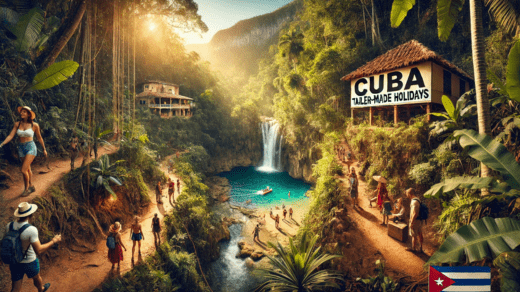
  • Tailormade Holidays: Explore Cuba on Your Terms

    Tailormade Holidays: Explore Cuba on Your Terms

    When it comes to planning an extraordinary getaway, tailormade holidays offer the perfect opportunity to create a journey as unique as you are. Cuba, a vibrant and diverse island in the heart of the Caribbean, is a destination that embodies adventure, culture, and relaxation. Whether you’re a thrill-seeker, a culture enthusiast, or someone in search of peaceful moments, Cuba provides an ideal backdrop for a bespoke travel experience. Its rich history, stunning landscapes, and warm hospitality make it a place where every traveler can find something extraordinary.

    Why Choose Cuba for a Tailormade Holiday?

    Cuba is a land of endless possibilities, offering everything from pristine beaches and lush valleys to bustling cities and remote islands. The island’s unique blend of natural beauty and cultural richness ensures that there’s something for everyone. Whether you’re diving into its underwater worlds, sailing along its stunning coastlines, or exploring its colonial towns, Cuba is a destination where you can truly design the holiday of your dreams.

    What sets Cuba apart is its ability to cater to diverse interests. For adventure lovers, it offers exhilarating outdoor activities, while history buffs can delve into its fascinating revolutionary past. Culture enthusiasts will be captivated by the island’s music, dance, and art, and those seeking tranquility will find serene retreats in its countryside and along its beaches.

    Adventurous Escapes: Land and Sea

    Cuba is an adventurer’s paradise, offering thrilling activities both on land and at sea. Its crystal-clear waters are perfect for diving and snorkeling, revealing vibrant coral reefs, exotic marine life, and fascinating shipwrecks. Jardines de la Reina, a protected marine reserve, is one of the best diving destinations in the world. Here, you can swim alongside sharks, rays, and sea turtles in a pristine underwater environment that feels like a natural wonderland.

    Sailing is another way to experience Cuba’s natural beauty. Whether you’re cruising through the cays of Jardines del Rey or taking a sunset sail along the southern coast, the island’s turquoise waters and calm breezes create the perfect conditions for exploration. Many tailor-made itineraries include private sailing excursions, allowing you to discover hidden coves and secluded beaches.

    On land, Cuba’s diverse landscapes are equally captivating. The Sierra Maestra Mountains offer challenging hiking trails with breathtaking views, as well as historical significance as the base of Cuba’s revolutionary movement. The Viñales Valley, with its dramatic limestone mogotes and lush tobacco fields, provides a more tranquil setting for activities like horseback riding, cycling, and nature walks.

    Cultural Immersion: A Journey Through Cuba’s Soul

    Cuba’s culture is as vibrant and colorful as its landscapes. The island’s history, shaped by Spanish, African, and Caribbean influences, has given rise to a rich cultural tapestry that is reflected in its music, dance, art, and cuisine.

    Havana, the capital, is a must-visit for culture lovers. Walk through the cobblestone streets of Old Havana, a UNESCO World Heritage Site, and admire its colonial architecture, lively plazas, and colorful murals. Stop by the Malecón, the city’s iconic seaside promenade, where locals and visitors gather to enjoy the ocean breeze, live music, and street performances.

    Music is the heartbeat of Cuba, and you’ll hear it everywhere—from the rhythmic beats of salsa and rumba to the soulful sounds of traditional Cuban son. Santiago de Cuba, the island’s second-largest city, is known as the cradle of Cuban music. Here, you can immerse yourself in live performances and even take a dance lesson to learn the steps of salsa, rumba, or cha-cha-cha.

    Art enthusiasts will find plenty to admire, from street art in Havana to galleries showcasing the works of local painters and sculptors. Cuba’s cuisine is another cultural highlight, with its blend of Spanish, African, and Caribbean flavors. Sampling traditional dishes like ropa vieja, congri, and fresh seafood is a must during your visit.

    Relaxation in Cuba’s Paradise

    For those seeking relaxation, Cuba offers some of the most beautiful and serene destinations in the Caribbean. Its beaches are legendary, with soft white sands and crystal-clear waters that are perfect for unwinding. Varadero, often considered one of the world’s best beach destinations, combines luxurious resorts with natural beauty, making it a favorite for travelers looking to indulge.

    For a more secluded escape, head to Cayo Coco, Cayo Largo, or Cayo Santa María. These remote islands are havens of tranquility, offering pristine beaches and turquoise waters far from the crowds. Many of these destinations feature eco-friendly resorts that blend luxury with sustainability.

    Cuba’s countryside also provides opportunities for rest and rejuvenation. The Viñales Valley, with its picturesque landscapes and relaxed atmosphere, is ideal for unwinding. Staying in a casa particular, a private guesthouse, allows you to experience authentic Cuban hospitality while enjoying the comforts of home.

    Tailoring Your Cuban Holiday

    The beauty of a tailor-made holiday is its flexibility. You can design an itinerary that reflects your interests, combining adventure, culture, and relaxation in a way that suits your preferences.

    Start your journey in Havana, exploring its historic streets and vibrant nightlife. Then head to the Viñales Valley for a taste of rural life, complete with tobacco farm tours and horseback rides through lush fields. Add a trek through the Sierra Maestra Mountains for an adventurous twist, or spend a day diving in the clear waters of Jardines de la Reina.

    End your trip with a stay on one of Cuba’s idyllic beaches, where you can relax and reflect on your incredible experiences. Alternatively, focus on cultural immersion by visiting colonial towns like Trinidad and Cienfuegos, both of which are steeped in history and charm.

    Partnering with experts like www.captivatingcuba.com ensures that every detail of your holiday is carefully planned and executed. Their in-depth knowledge of the island and personalized service make it easy to create a seamless and memorable travel experience.

    The Advantages of Tailormade Holidays

    Tailormade holidays allow you to craft a journey that is as unique as you are. Unlike pre-packaged tours, they offer complete flexibility, enabling you to focus on the aspects of travel that matter most to you.

    Families can create itineraries that include child-friendly activities, such as beach days, wildlife encounters, and cultural experiences. Couples can focus on romantic getaways with private excursions and intimate stays, while solo travelers can delve deep into Cuban culture and history through guided tours and local interactions.

    Another benefit of tailor-made holidays is the opportunity to avoid crowded tourist spots. By working with knowledgeable travel experts, you can discover hidden gems, such as quiet beaches, family-run restaurants, and lesser-known hiking trails, adding depth and authenticity to your journey.

    Why Cuba Should Be Your Next Tailormade Destination

    Cuba is a destination that captivates the senses. Its lively music, stunning landscapes, rich culture, and warm hospitality create an unforgettable travel experience. Whether you’re seeking adventure, cultural immersion, or relaxation, Cuba offers the perfect setting for a holiday that is truly your own.

    A tailormade holiday ensures that your journey through Cuba is exactly as you envision it. With personalized itineraries, expert guidance, and a focus on your unique preferences, you can explore the island in a way that is meaningful and memorable.

    Let Cuba inspire your next adventure, and discover the magic of this extraordinary destination through a customized journey that reflects your passions and creates memories to last a lifetime.

  • Sundarban Tour Operator: Your Ultimate Guide to Exploring the Mangrove Paradise

    Sundarban Tour Operator: Your Ultimate Guide to Exploring the Mangrove Paradise

    The Sundarbans, a UNESCO World Heritage Site, is one of the most captivating natural wonders in the world. Spread across India and Bangladesh, this vast mangrove forest is home to a unique ecosystem, including the famous Royal Bengal Tigers. If you’re looking to explore this lush paradise, finding the right Sundarban tour operator is crucial for ensuring a safe and enriching experience.

    In this comprehensive guide, we’ll take you through everything you need to know about planning a trip to the Sundarbans, the benefits of booking through a professional sundarban tour operator, and what to expect during your adventure in this mesmerizing wilderness.

    Why Visit the Sundarbans?

    The Sundarbans is a natural wonder, known for being the largest tidal halophytic mangrove forest in the world. The sheer diversity of flora and fauna is astonishing, making it a must-visit for nature lovers, bird watchers, and adventure seekers. Here are some top reasons why you should consider visiting:

    1. Wildlife Diversity

    The Sundarbans is home to a staggering variety of wildlife. Apart from the majestic Royal Bengal Tiger, you can spot saltwater crocodiles, spotted deer, wild boar, and numerous species of birds and fish. The best part is that your Sundarban tour operator will organize specialized safari tours, increasing your chances of spotting these amazing creatures in their natural habitat.

    2. Unique Mangrove Ecosystem

    The Sundarbans is a living laboratory for ecological studies, with its dynamic coastal environment influenced by tides. It’s a rare chance to explore one of the most complex ecosystems on Earth. A knowledgeable Sundarban tour operator can guide you through this intricate landscape, providing you with insightful information about the plants and animals that thrive here.

    3. Royal Bengal Tiger Sightings

    The elusive Royal Bengal Tiger is the star attraction in the Sundarbans. While sightings are rare due to the tiger’s stealthy nature, guided safaris increase your odds. Most Sundarban tour operators offer well-organized tiger-tracking tours, allowing you to explore their territory in hopes of catching a glimpse of these magnificent predators.

    4. River Cruises

    One of the most popular ways to explore the Sundarbans is through a river cruise. As you glide through the water, surrounded by lush mangroves, you’ll get the chance to soak in the serene beauty of the forest. Professional Sundarban tour operators typically offer multi-day river cruises complete with accommodation, meals, and guided tours.

    The Role of a Sundarban Tour Operator

    Planning a trip to the Sundarbans is no easy feat, especially considering the complex geography and the need for permits to enter certain areas. This is where a reliable Sundarban tour operator comes into play. Here’s why you should consider booking through one:

    1. Expertise and Local Knowledge

    A good Sundarban tour operator is your gateway to understanding the local environment, wildlife, and culture. They have in-depth knowledge of the forest, which helps in navigating the region safely. Their expertise ensures that you have a seamless travel experience, from acquiring permits to guiding you through the best routes for wildlife spotting.

    2. Safety

    The Sundarbans is a wild, remote area with limited infrastructure. Having an experienced Sundarban tour operator ensures that safety is prioritized. They are familiar with the terrain, tide timings, and potential hazards, which are essential for keeping you out of harm’s way.

    3. Convenience and Comfort

    Traveling to the Sundarbans can be physically demanding, but a tour operator helps make the trip as comfortable as possible. From booking accommodations to organizing meals and transportation, they take care of all the logistics so you can focus on enjoying the experience.

    4. Eco-Friendly Practices

    Reputable Sundarban tour operators are committed to sustainable tourism. They make sure that your visit leaves minimal impact on the environment and that the local community benefits from tourism. They also educate travelers on the importance of conserving the fragile ecosystem of the Sundarbans.

    How to Choose the Best Sundarban Tour Operator

    Selecting the right tour operator can make or break your Sundarbans adventure. Here’s what to look for when choosing one:

    1. Reputation

    Research the operator’s reputation online by reading reviews and testimonials from previous travelers. A trusted Sundarban tour operator will have positive feedback regarding their services, especially their guides’ knowledge, safety measures, and attention to detail.

    2. Certification and Licenses

    Make sure that your chosen Sundarban tour operator is licensed and certified by relevant authorities. These credentials ensure that they are operating legally and have the necessary permits to take you into protected areas.

    3. Customized Packages

    Different travelers have different interests, so look for a Sundarban tour operator that offers customizable packages. Whether you want a one-day wildlife safari or a multi-day river cruise, they should be able to tailor your itinerary based on your preferences.

    4. Local Guides

    Local guides are essential for an authentic experience. Ensure that your Sundarban tour operator employs guides who are not only knowledgeable about the area but also have strong ties to the local community. Their insights will enrich your understanding of the forest, its inhabitants, and its cultural significance.

    5. Sustainability Initiatives

    Opt for a tour operator that practices sustainable tourism. Ask about their environmental policies, such as waste management, energy conservation, and support for local communities. Choosing an eco-friendly Sundarban tour operator helps protect this precious ecosystem for future generations.

    Best Time to Visit the Sundarbans

    Timing your trip is key to making the most of your Sundarbans adventure. The best time to visit is between November and March, when the weather is cooler and the wildlife is more active. During this period, many Sundarban tour operators offer special packages to coincide with the peak season, providing a chance to explore the forest in pleasant conditions.

    1. November to March (Winter)

    The winter months are the most popular time for visiting the Sundarbans. The cool, dry weather makes it easier to explore the forest, and animals are more likely to come out into the open during this time. Most Sundarban tour operators recommend booking well in advance if you plan to visit during this peak season.

    2. April to June (Summer)

    While the summer months are hot and humid, they are also an excellent time for bird watching, as migratory birds flock to the region. However, many travelers avoid this period due to the intense heat. If you plan to visit during this time, look for a Sundarban tour operator that offers air-conditioned accommodation and transport.

    3. July to October (Monsoon)

    The monsoon season brings heavy rains, making it difficult to navigate the waterways. Most Sundarban tour operators halt their services during this period, but the forest takes on a lush, green appearance. If you’re up for an adventure and don’t mind the rain, this is an ideal time to experience the Sundarbans in all its monsoon glory.

    What to Expect on a Sundarban Tour

    Your adventure with a Sundarban tour operator will likely include a variety of activities that allow you to fully immerse yourself in the region’s natural beauty. Here’s what a typical Sundarbans tour package might include:

    1. Wildlife Safaris

    Most tours include boat safaris, which take you deep into the forest to spot wildlife. These safaris are usually conducted in small groups, guided by experts who know the best places to see the diverse animals and birds that call the Sundarbans home.

    2. Bird Watching

    The Sundarbans is a bird-watcher’s paradise, with over 300 species of birds, including kingfishers, herons, egrets, and more. Many Sundarban tour operators offer specialized bird-watching tours, where you can marvel at the vibrant birdlife in this biodiverse region.

    3. Village Tours

    Immerse yourself in the local culture by visiting the small villages surrounding the forest. You’ll get to interact with the locals, learn about their traditions, and enjoy home-cooked meals. Your Sundarban tour operator will arrange visits to these villages, giving you a deeper understanding of the human-wildlife relationship in the Sundarbans.

    4. Overnight River Cruises

    For those looking for a more extended stay, many sundarban tour package offer overnight river cruises. These cruises allow you to explore the forest at a leisurely pace, with comfortable accommodations aboard the boat. You’ll enjoy beautiful sunsets, starry nights, and the sound of the jungle as you drift through the waterways.

    Essential Tips for a Sundarban Trip

    To ensure your trip to the Sundarbans is both enjoyable and safe, here are some key tips:

    • Pack wisely: Bring lightweight, comfortable clothing, insect repellent, sunscreen, and a hat. Don’t forget your binoculars for wildlife spotting!
    • Follow safety guidelines: Always listen to your guide and follow their instructions. The Sundarbans is a wild place, and safety should always be a priority.
    • Respect the environment: Help protect the Sundarbans by following sustainable travel practices. Avoid littering, and respect the local wildlife and communities.

    Conclusion

    A trip to the Sundarbans is a once-in-a-lifetime experience, and choosing the right Sundarban tour operator can make all the difference. With their expertise, local knowledge, and commitment to sustainable tourism, a good tour operator will ensure that your journey through this mangrove paradise is both safe and unforgettable. Whether you’re eager to

  • Exploring the Wonders of Sundarban: A Complete Tour Guide

    Exploring the Wonders of Sundarban: A Complete Tour Guide

    The Sundarbans, a UNESCO World Heritage Site, is one of the most enchanting and biodiverse regions on the planet. Known for its dense mangrove forests, iconic Royal Bengal tigers, and a unique ecosystem, it has become a hotspot for nature lovers and adventure seekers. A sundarban tour package offers a perfect opportunity to immerse yourself in the wild beauty of this mesmerizing delta region.

    In this guide, we’ll dive into everything you need to know about the Sundarbans, from the best times to visit and key attractions to travel tips and the cultural significance of this region.

    Understanding the Sundarbans

    The Sundarbans is a vast mangrove forest that spans over 10,000 square kilometers, primarily located in Bangladesh with a portion stretching into India. This area is a unique meeting point of land and sea, where freshwater rivers merge with the salty waters of the Bay of Bengal, creating a rich ecosystem that supports a variety of flora and fauna.

    It is home to a wide range of wildlife, including the Bengal tiger, spotted deer, saltwater crocodiles, and numerous bird species. The mangrove forest plays a crucial role in protecting the region from cyclones and storm surges, acting as a natural barrier.

    Key Highlights of a Sundarban Tour

    A visit to the Sundarbans is more than just a wildlife safari. It’s an experience that immerses you in the raw beauty of nature, untouched by urbanization. Here are some key highlights you can expect:

    1. Royal Bengal Tigers

    One of the main attractions of the Sundarbans is the chance to spot the elusive Royal Bengal tiger. The Sundarbans is known for being one of the largest natural habitats for these majestic creatures. While tiger sightings are rare due to their elusive nature, the thrill of possibly encountering one adds excitement to the journey.

    2. Cruising Through Mangrove Forests

    A boat safari through the dense mangrove forests is a highlight of any Sundarban tour. The labyrinth of waterways, surrounded by lush greenery and wildlife, offers an unforgettable experience. You’ll get to explore the creeks and rivers, spotting crocodiles basking in the sun and a variety of bird species.

    3. Wildlife Diversity

    Apart from the tigers, the Sundarbans are home to spotted deer, rhesus macaques, wild boars, otters, and more. Bird watchers will be delighted by the variety of birds, including kingfishers, herons, eagles, and migratory birds that flock to the region during the winter months.

    4. Sajnekhali Watchtower

    This popular tourist spot offers panoramic views of the surrounding forest and rivers. The watchtower is a great spot to observe wildlife from a safe distance and also has a small museum showcasing the flora and fauna of the Sundarbans.

    5. Bhagabatpur Crocodile Project

    For those fascinated by reptiles, the Bhagabatpur Crocodile Project is a must-visit. It’s a crocodile breeding center where you can observe these magnificent creatures up close and learn about their conservation efforts.

    6. Cultural Insights

    A trip to the Sundarbans also offers a chance to learn about the local communities that depend on this ecosystem for their livelihood. The traditional fishing and honey-collecting methods practiced by the locals give visitors a glimpse into the cultural heritage of the region.

    Best Time to Visit the Sundarbans

    The ideal time to plan your Sundarban tour is between November and February, when the weather is pleasant and cool. During this time, the wildlife is more active, and you can enjoy a comfortable journey through the forests. Summer months (March to June) can be hot and humid, making the experience less enjoyable. The monsoon season (July to September) brings heavy rains and flooding, which can make travel difficult, although it does bring out the lush beauty of the region.

    Planning Your Sundarban Tour

    When planning a trip to the Sundarbans, choosing the right tour package can make all the difference in your experience. A well-curated Sundarban tour package will typically include transportation, accommodations, meals, guided tours, and safaris. Here are some things to keep in mind while booking:

    1. Duration of the Trip

    Sundarban tours are usually offered as 2- or 3-day packages. A two-day tour gives you a quick overview of the area, while a three-day trip allows for more in-depth exploration, including visits to multiple islands, watchtowers, and wildlife sanctuaries.

    2. Accommodations

    Most tour operators offer comfortable accommodations, ranging from basic hotels to eco-resorts. Some tour packages even include staying on houseboats, providing a unique experience of sleeping in the heart of the mangroves.

    3. Mode of Travel

    Since the Sundarbans is a water-based region, most of the travel within the forest is by boat. Some tour operators include transfers to and from Kolkata, while others may require you to arrange your transportation to the starting point of the tour.

    4. Safety Measures

    Wildlife tours in the Sundarbans come with inherent risks, as the region is home to wild animals, including tigers and crocodiles. sundarban tour operator It’s important to choose a tour operator that follows safety protocols, including experienced guides, safe boats, and adherence to forest department regulations.

    Eco-Tourism and Conservation

    Eco-tourism plays a vital role in protecting the Sundarbans and ensuring that its natural beauty remains intact for future generations. Responsible tourism practices, such as minimizing plastic use, respecting wildlife, and supporting local conservation efforts, can help preserve the fragile ecosystem. Tour operators in the region are increasingly focusing on eco-friendly packages that emphasize sustainability.

    What to Pack for a Sundarban Tour

    When embarking on a Sundarban adventure, it’s essential to pack wisely to ensure comfort and safety. Here’s a checklist of items you should consider:

    • Comfortable and breathable clothing
    • Sunglasses, sunscreen, and a hat for sun protection
    • Sturdy footwear suitable for walking on uneven terrain
    • Binoculars for wildlife viewing
    • A camera to capture the stunning landscapes and wildlife
    • Insect repellent
    • Basic medical kit, including any personal medications

    Conclusion

    A journey to the Sundarbans is an experience unlike any other, offering a perfect blend of adventure, wildlife, and cultural immersion. Whether you’re looking to spot the elusive Bengal tiger, explore the winding waterways of the mangrove forests, or learn about the local communities, a Sundarban tour package is your gateway to this magical world.

  • Luxury Everest Base Camp Trek – An Unforgettable Journey to the Top of the World

    Luxury Everest Base Camp Trek – An Unforgettable Journey to the Top of the World

    For those seeking a high-end adventure that combines the thrill of trekking with luxurious comforts, the Luxury Everest Base Camp Trek offers a perfect blend of rugged adventure and refined indulgence. This premium trek provides an unparalleled experience of the Himalayas, delivering breathtaking views, exceptional service, and first-class amenities in the heart of the world’s highest peak.

    Overview of the Luxury Everest Base Camp Trek

    The Luxury Everest Base Camp Trek is designed for travelers who wish to explore the iconic Everest Base Camp with added comforts and exclusivity. This trek usually spans around 12 to 15 days, starting from Kathmandu and including a scenic flight to Lukla. From there, trekkers embark on a meticulously planned journey through the Khumbu Valley, staying in luxurious lodges and enjoying top-notch services along the way.

    Highlights of the Trek

    • Luxurious Accommodations: Unlike standard treks, the Luxury Everest Base Camp Trek features upscale lodges and luxury camps. These accommodations offer spacious rooms, en-suite bathrooms, and stunning views of the surrounding peaks. High-end amenities ensure a comfortable stay, allowing trekkers to relax and rejuvenate after each day’s trek.
    • Exclusive Dining: The trek includes gourmet dining experiences with a variety of international and local cuisine. High-quality meals are prepared by skilled chefs, ensuring that every dining experience is a treat. Trekkers can enjoy fine dining in the comfort of luxurious lodges or specially set-up dining tents with spectacular mountain views.
    • Personalized Service: On a luxury trek, personalized service is a priority. Trekkers benefit from the attention of experienced guides and support staff who are dedicated to providing a seamless and enjoyable experience. This includes well-planned itineraries, personalized care, and attention to detail throughout the journey.
    • Scenic Helicopter Flight Option: For an even more exclusive experience, some luxury treks offer the option of a scenic helicopter flight over the Himalayas. This allows trekkers to enjoy stunning aerial views of Everest and the surrounding peaks without the physical exertion of a long trek.

    Trekking Experience

    The Luxury Everest Base Camp Trek is designed to offer the thrill of high-altitude trekking with the comfort and convenience of luxury accommodations. The trek involves daily hikes through the Khumbu Valley, with ample time for acclimatization and exploration. Trekkers can enjoy the beauty of Everest and its surrounding peaks while returning each evening to luxurious lodgings.

    Why Choose the Luxury Everest Base Camp Trek?

    The Luxury Everest Base Camp Trek is ideal for those who want to experience the grandeur of Everest without compromising on comfort. It is perfect for travelers who seek an upscale adventure, combining the excitement of high-altitude trekking with the pleasures of luxury and personalized service.

    Conclusion

    The Luxury Everest Base Camp Trek offers a unique opportunity to explore the iconic Everest Base Camp while enjoying top-tier comfort and services. With its luxurious accommodations, gourmet dining, and personalized attention, this trek provides an unforgettable journey through the Himalayas. Whether you’re a seasoned trekker or an adventure enthusiast looking for a touch of elegance, the Luxury Everest Base Camp Trek promises a once-in-a-lifetime experience in one of the world’s most breathtaking destinations.

  • How Leadership Development Training Activities Help Organizational Growth

    How Leadership Development Training Activities Help Organizational Growth

    In this fast-paced world, every organization must concentrate on upgrading the leadership skills of their employees. They must invest in leadership development training programs to achieve sustainable growth and long-term success. The team must plan the leadership development training activities to nurture and enhance the skills of current and potential leaders.

    Let us learn how leadership development training activities benefit employees and impact organizational performance.

    1.   Enhances Leadership Skills and Competencies

    One of the most direct benefits of a leadership development training program is the enhancement of essential leadership skills and competencies. These programs cover topics like strategic thinking, decision-making, communication, and emotional intelligence. By learning these activities, the leaders brush up on their skills and upgrade them to become more advanced in their roles. They learn to listen, communicate effectively, and make informed and strategic decisions that drive organizational success.

    2.   Fosters Innovation and Adaptability

    Leaders must be able to innovate and adapt to the latest technologies and working environments. Leadership training encourages a mindset of continuous improvement and adaptability. They learn to embrace change, think creatively, and foster a culture of innovation within their team. These abilities help an organization easily adopt the latest market trends, stay competitive, and accept new opportunities for growth and development.

    3.   Improved Employee Engagement and Retention

    The leaders undergoing the training encourage their teammates to face challenges efficiently. They develop a positive environment within their team that keeps the team members confident and boosts their morale. As a result, there is less turnover and more job satisfaction. Retaining skilled employees is vital for maintaining organizational knowledge and driving growth.

    4.   Builds A Strong Succession Pipeline

    Leadership development training helps organizations build a robust succession pipeline. By identifying and nurturing potential leaders from within the organization, companies can ensure they have a ready pool of talent to step into key roles as they become available. This proactive approach to succession planning reduces the risks associated with leadership transitions and ensures continuity in leadership, which is essential for sustained growth.

    5.   Strengthens Organizational Culture

    Leadership development activities play a significant role in shaping and reinforcing organizational culture. Leaders who are aligned with the organization’s values and vision are more likely to promote a positive culture throughout the company. This alignment contributes to the development of a cohesive, welcoming workplace where staff members feel appreciated and inspired. A strong organizational culture is a critical component of long-term success and growth.

    6.   Enhances Strategic Alignment

    Training programs often emphasize the importance of aligning leadership strategies with the overall goals and objectives of the organization. Leaders learn to develop and execute strategies that support the company’s mission and vision. This strategic alignment ensures that all efforts are directed towards common goals, leading to more efficient use of resources, better performance, and accelerated growth.

    Conclusion

    In conclusion, the organization should conduct various professional programs, such as outbound training team-building programs, leadership development training activities, etc., at Empower Activity Camps, for the skill development of their employees.

    Strong leaders have the capability to drive the entire organization forward.