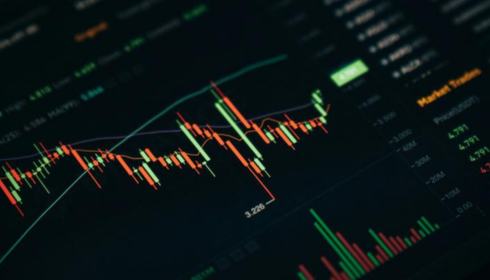

Tracking market trends has become a regular part of financial planning for many investors, and the Nifty 50 remains one of the most widely referenced benchmarks for understanding how Indian equities are performing. Since it represents companies across a wide range of sectors, movements in the Nifty 50 often reflect broader shifts in investor sentiment, economic conditions, and global market dynamics. This article looks at the trends currently shaping the index and what they might mean for investors trying to make sense of the bigger picture.
Sectoral Rotation Within the Index
One of the recurring patterns observed in the Nifty 50 is sectoral rotation, where money moves from one sector to another based on changing expectations. For instance, periods of rising interest rates often shift investor attention toward financial sector stocks, while phases of lower rates can benefit sectors that are more sensitive to borrowing costs, such as real estate or manufacturing.
Information technology stocks within the index tend to respond to currency movements and demand trends from overseas markets, particularly the United States and Europe. Meanwhile, consumer-focused companies in the index often reflect domestic spending patterns, which can be influenced by factors like monsoon performance, rural demand, and festive-season buying activity. Watching how these sectors perform relative to each other, rather than only observing the index level, can offer a clearer view of what is driving overall market direction.
Global Cues and Their Influence
The Nifty 50 does not move independently of global markets. Cues from international indices, movements in crude oil prices, and shifts in global bond yields all play a role in shaping daily trading sentiment. Foreign institutional investment flows are another factor worth watching, as periods of sustained buying or selling by foreign investors can influence short-term index movements, sometimes more than domestic developments do.
Currency movements, particularly the rupee’s exchange rate against the dollar, also factor into how certain sectors within the index perform. Export-oriented businesses may benefit from a weaker rupee, while companies reliant on imported raw materials may face cost pressures. These interconnected factors make it useful for investors to look at the index in context, rather than in isolation.
Domestic Economic Indicators
Alongside global factors, several domestic indicators help explain recent movements in the Nifty 50. Inflation figures, industrial production data, and central bank policy announcements are closely tracked by market participants, as they shape expectations around interest rates and corporate earnings. Quarterly earnings season is another period when the index can see notable movement, as company-level results often lead to reassessment of sector-wide expectations.
Government policy announcements, including changes related to taxation, infrastructure spending, or sector-specific reforms, can also influence how the index performs over a given period. Investors often watch these developments not for immediate reaction, but to understand how they might shape corporate earnings over coming quarters.
Gold as a Complementary Indicator
While equities and the Nifty 50 attract significant attention, tracking the Gold Rate Today alongside index movements can provide additional context for investors reviewing their overall portfolio. Gold often reacts to a different set of drivers than equities, including global demand patterns, central bank buying activity, and shifts in currency and interest rate expectations.
During periods when equity markets show heightened volatility, some investors observe increased attention on the Gold Rate Today, as gold is traditionally considered a way to diversify away from pure equity exposure. Comparing trends in the Nifty 50 with movements in the Gold Rate Today can help investors understand how different asset classes are responding to the same macroeconomic environment, which can be a useful input when reviewing asset allocation.
What Investors Can Take From Current Trends
For investors monitoring the Nifty 50, a few observations are worth keeping in mind:
- Trends unfold over time. Short-term index movements are influenced by many overlapping factors, and drawing conclusions from a single day or week can be misleading.
- Sector performance adds depth. Looking beyond the index level to individual sector trends can offer a more complete picture of where strength or weakness is concentrated.
- Global and domestic factors interact. Movements in international markets, currency rates, and domestic policy often work together rather than independently.
- Diversification remains relevant. Tracking indicators like the Gold Rate Today alongside equity trends can support a more balanced view of portfolio risk.
Closing Thoughts
Market trends are rarely driven by a single cause, and the Nifty 50 reflects a combination of sectoral shifts, global cues, and domestic economic developments. Rather than trying to time each movement, investors may find more value in understanding the underlying factors behind broader trends and reviewing how these align with their own financial goals. Considering complementary indicators, such as the Gold Rate Today, can further support a well-rounded approach to portfolio planning.
As market conditions continue to evolve, staying informed through regular reviews — rather than reacting to daily fluctuations — tends to be a more sustainable approach. Consulting a qualified financial advisor can also help align investment decisions with individual risk tolerance and long-term objectives.
Disclaimer: This article is for educational and informational purposes only and should not be considered investment advice. Investments are subject to market risks. Past performance does not guarantee future returns. Investors should assess their financial goals and risk appetite and consult a qualified financial advisor before making investment decisions.