
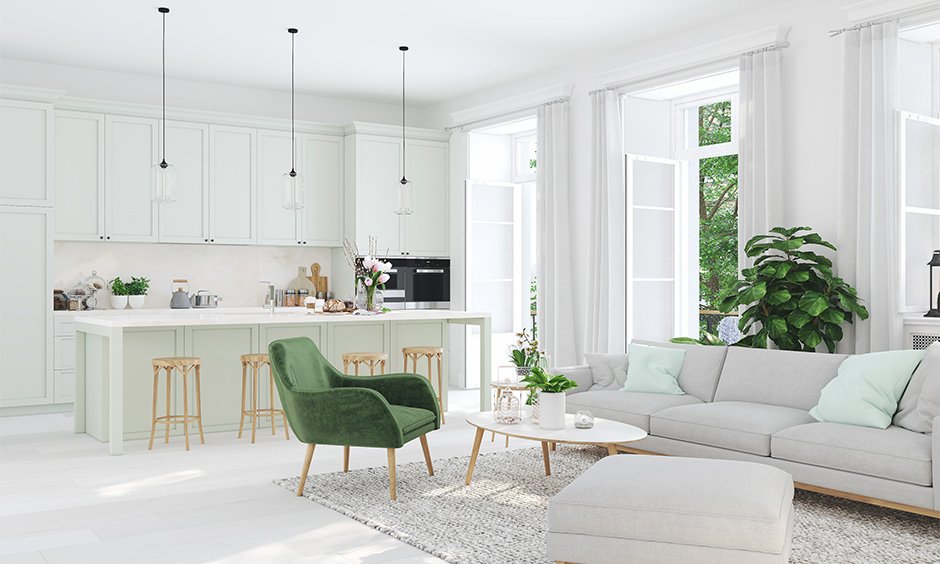
A home is made up of ordinary moments. Morning coffee before the day gets busy, a quick conversation while dinner is cooking, or a quiet evening spent reading in a comfortable chair. These experiences may not seem connected to interior design, yet they often depend on how thoughtfully a space has been planned.
A room can look beautiful in photographs and still feel awkward to live in. Perhaps the furniture blocks a natural walkway, the lighting is too harsh, or there simply isn’t enough room to put things away. The difference between a good-looking interior and a genuinely comfortable home often comes down to practical decisions that aren’t immediately obvious.
Good design doesn’t require every surface to be expensive or every room to follow the latest trend. It requires an understanding of how people live, what they value, and which details will make daily routines easier. With a little planning, even familiar spaces can feel more welcoming, organized, and personal.
Start With Comfort, Not Decoration
When planning an interior, it’s easy to focus on colors, furniture styles, and decorative accessories. Those choices matter, of course, but comfort should come first. Before buying anything, consider how the room will be used throughout a typical day.
Think about movement, natural light, storage, and the activities that take place there. A room used by several family members may need flexible seating, while a smaller space might benefit from furniture that serves more than one purpose. These practical questions create a foundation for the design.
It’s also helpful to notice what isn’t working in the existing arrangement. Maybe a table is always covered with miscellaneous items because there’s no convenient storage nearby. Perhaps a reading corner feels uninviting because it lacks a lamp. Fixing these small frustrations can improve a room more than adding another decorative piece.
The best interiors often feel effortless, but that ease usually comes from careful thought behind the scenes.
Create a Living Room That Invites People to Stay
The living room often carries several responsibilities at once. It’s where people entertain guests, watch films, relax after work, and sometimes even help children with homework. A successful layout needs to accommodate these activities without feeling overcrowded.
Start by identifying the room’s natural focal point. It could be a fireplace, a large window, a television, or an interesting architectural feature. Arrange the main seating around that point while leaving enough space for people to move comfortably.
In living rooms, furniture placement can make a surprising difference to the atmosphere. A sofa pushed against the wall isn’t always the best solution, especially in a larger room. Bringing seating slightly inward can create a more intimate conversation area, while a well-sized rug helps the arrangement feel connected.
Lighting deserves equal attention. One overhead fixture rarely provides the flexibility a living space needs. Combine general illumination with floor lamps, table lamps, or wall lights to create a softer atmosphere in the evening. If the room receives plenty of daylight, use window treatments that balance privacy with natural brightness.
Finally, resist the urge to fill every empty corner. A little breathing room allows furniture, artwork, and personal objects to stand out. Sometimes leaving something out is the finishing touch a room needs.
Make the Kitchen Work as Hard as You Do
A kitchen is one of the busiest areas in most homes. People prepare meals, unpack groceries, make school lunches, and gather for conversations that somehow last longer than expected. It needs to look appealing, but its daily performance matters just as much.
Begin with the relationship between the sink, refrigerator, and cooking area. These key points should be arranged to reduce unnecessary movement and prevent people from constantly crossing one another’s paths. Adequate counter space near the sink and cooktop can also make food preparation more comfortable.
Well-planned kitchens rely on accessible storage rather than simply having more cupboards. Deep drawers can make pots and pans easier to reach, pull-out organizers can improve access to stored ingredients, and vertical dividers may keep baking trays from becoming an untidy pile.
Lighting should support different tasks. General lighting brightens the room, while under-cabinet fixtures help illuminate work surfaces. Pendant lights above an island or dining counter can provide visual interest, provided they’re positioned at a practical height.
Material selection matters here, too. Countertops, cabinet finishes, flooring, and handles should suit the household’s cleaning habits and level of activity. A surface that requires constant attention may become frustrating in a busy family home. Choose materials for their appearance and their ability to handle everyday use.
Design a Home Office That Supports Focus
Working from home has changed the way many people think about their interiors. A spare bedroom or an unused corner can become a productive workspace, but simply placing a desk beside a wall doesn’t always create the right environment.
The first consideration is location. Choose an area with enough natural light where possible, while minimizing distractions from busy household spaces. If a separate room isn’t available, a carefully defined workstation can still provide a useful sense of separation between work and personal life.
For home offices, ergonomics should be a priority. The desk needs to accommodate the equipment being used, and the chair should support a comfortable working posture. A monitor positioned at an appropriate height, accessible power outlets, and a place to store documents can prevent small inconveniences from becoming daily irritations.
Lighting is especially important during long working hours. Position the desk to reduce glare on the screen, and add a task lamp for darker periods of the day. If video meetings are common, consider the background and how light falls on the face without turning the room into an artificial-looking studio.
Storage helps maintain focus, too. Shelves, filing drawers, cable organizers, and a simple tray for frequently used items can keep the desk from becoming cluttered. A few personal touches, such as artwork or a plant, make the workspace feel less sterile without creating unnecessary distractions.
Use Color and Texture to Bring Rooms Together
A home feels more cohesive when its rooms share some visual connections. This doesn’t mean painting every wall the same shade or repeating identical furniture throughout the property. Instead, choose a small group of complementary colors and materials that can appear in different ways.
For example, warm timber in the living room might be echoed by wooden kitchen stools or a bedroom bedside table. Soft neutral walls can connect spaces, while deeper colors introduce personality in selected areas. Repeating a metal finish across lighting fixtures and cabinet hardware can also create a subtle sense of continuity.
Texture adds depth without requiring a complicated color scheme. Linen curtains, woven rugs, natural wood, ceramic accessories, and upholstered furniture each contribute a different quality. Combining them thoughtfully helps a room feel layered rather than flat.
Before committing to paint or major finishes, test samples in the actual space. Colors can look quite different in morning sunlight, afternoon shade, and artificial evening light. A little patience at this stage can prevent costly second thoughts later.
Give Storage and Organization a Proper Place
Clutter isn’t always a sign that a home contains too many belongings. Sometimes it simply means that everyday items don’t have a convenient place to go. When storage is poorly planned, even a spacious room can feel messy.
Look for opportunities to build storage into existing spaces. An entryway bench can hold shoes, a bed with drawers can accommodate seasonal clothing, and shelves can make use of vertical wall space. In smaller homes, furniture with concealed storage may help preserve an uncluttered appearance.
The key is convenience. If putting something away requires opening several doors or moving other objects, it probably won’t happen consistently. Storage should follow the natural rhythm of daily life, placing frequently used items within easy reach and keeping occasional-use belongings elsewhere.
Let Your Home Reflect Your Personality
A thoughtfully designed home should never feel like a showroom where nobody is allowed to touch anything. Personal belongings are what give interiors their character. Family photographs, books, collected artwork, handmade objects, and inherited furniture can all contribute to a sense of belonging.
These pieces don’t need to match perfectly. In fact, a little contrast often makes a space more interesting. The important thing is to display meaningful objects with intention rather than filling every available surface.
It’s also fine for a home to evolve gradually. You might change the artwork, rearrange the furniture, or introduce a different color through cushions and throws as your preferences change. Design should leave room for life to happen.
Build a Home That Works for Real Life
Creating a comfortable home isn’t about getting every decision right the first time. It’s about understanding your needs, making thoughtful choices, and paying attention to the details that influence everyday experiences.
From a welcoming living area to a practical kitchen and a focused workspace, each room has its own purpose. When layouts, lighting, storage, and materials work together, the entire home becomes easier to enjoy.
Trends will change, and personal tastes will shift. But a space that feels comfortable, functions well, and reflects the people who live in it has something more lasting than fashionable decoration. It becomes a place where ordinary days feel a little better—and where coming home remains one of the best parts of the day.


