
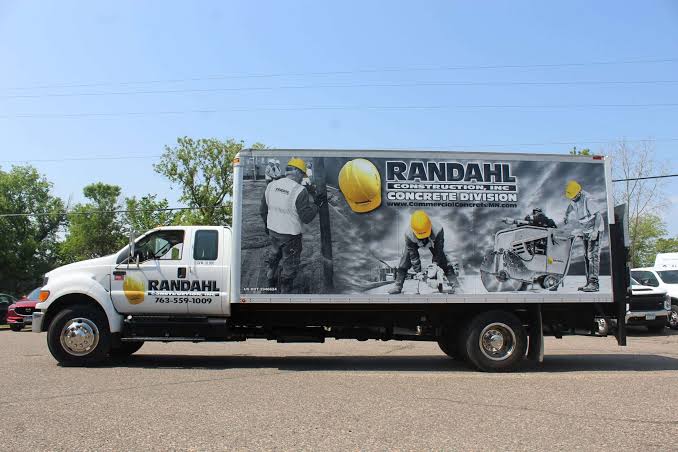
A commercial vehicle spends a surprising amount of time in public view. It might be parked outside a customer’s home, moving through busy streets, waiting at a warehouse, or sitting in traffic during the morning commute. Every one of those moments creates an opportunity for people to notice your business. The question is whether your vehicle makes that opportunity count.
Vehicle wraps offer a practical way to turn work trucks into recognizable brand assets. They can introduce a company to new customers, make a fleet look more professional, and help people remember a name long after a vehicle has passed by. But choosing the right wrap involves more than selecting a design and printing a logo. Vehicle size, daily use, budget, installation quality, and long-term maintenance all deserve attention.
Start With the Vehicle and Its Everyday Purpose
The best wrap design begins with an honest look at how the vehicle is used. A box truck has broad, relatively flat panels that provide plenty of room for branding. A pickup truck has a different shape, with curves, doors, a cab, and a bed that can affect how the design comes together.
Think about the routes your vehicle travels and the people likely to see it. A delivery truck operating in residential neighborhoods may need a clear company name and phone number that can be read quickly. A contractor’s pickup might benefit from a simpler layout that highlights the service area, main services, and website. Too much information can make even an attractive wrap difficult to understand.
It also helps to consider how long you plan to keep the vehicle. A business that expects to use a truck for several years may benefit from a more comprehensive design, while a vehicle with a shorter service life might call for a more modest investment.
When a Full Box Truck Wrap Makes Sense
Large commercial vehicles offer a useful canvas, especially for companies that want a consistent, recognizable presence. A full wrap can cover most of the vehicle’s exterior, bringing colors, graphics, logos, and messaging together in one coordinated design.
For businesses with delivery routes, moving services, equipment rental, or regional distribution, a 24ft box truck full wrap with installation can create a cohesive look across the large side panels, rear doors, and other suitable surfaces. The broad design area allows the branding to remain visible from different angles, although the final layout should account for door seams, handles, lights, and other features that interrupt the surface.
A full wrap can also make a vehicle feel like a deliberate part of the business rather than simply a truck carrying a logo. That distinction matters. Customers often form impressions before speaking with a company, and a tidy, professionally presented vehicle can help reinforce the sense that the business pays attention to details.
Still, coverage alone does not guarantee a strong result. A design needs a clear visual hierarchy. The company name should stand out, the primary service should be easy to understand, and contact information should be placed where people can find it without searching through a wall of text.
A Half Wrap Can Deliver a Focused Message
Not every business needs to cover every panel. A half wrap uses selected areas of the vehicle to create a recognizable design while leaving some of the original paint visible. Depending on the layout, graphics may focus on the sides and rear, or combine a bold section of color with a clean, uncluttered background.
For a company balancing visibility and cost, a 24ft box truck half wrap with installation may offer a sensible middle ground. The design can emphasize the most visible areas without requiring full exterior coverage. It is particularly useful when the vehicle’s existing paint color works well with the brand palette rather than fighting against it.
The key is to make the coverage look intentional. A half wrap should not feel like a full design that ran out of material halfway through. Strong shapes, well-planned transitions, and consistent spacing help the graphics feel complete. A designer should also consider what happens when the truck is viewed from the front, side, and rear, since customers rarely see every surface at once.
For companies with several vehicles, partial wraps can also make it easier to maintain a consistent brand style across different models. The exact placement may vary, but the colors, typography, and core message can remain familiar.
Pickup Truck Graphics Need a Different Approach
Pickup trucks often serve several purposes in a single day. They may travel between job sites, carry tools, visit suppliers, and park in residential driveways. Their branding needs to work across a smaller, more complex shape while remaining practical for everyday use.
A full size pickup half wrap with installation can provide a strong visual presence without covering the entire vehicle. The design might extend across the doors and rear quarter panels, using the truck’s natural lines to guide the layout. This can work well for electricians, landscapers, builders, plumbers, and other service businesses that rely on local recognition.
Pickup designs need careful attention to scale. Large text may fit comfortably on a box truck but become crowded on a pickup door. Curved body panels, door gaps, handles, and changes in surface angle can affect both readability and installation. A layout that looks excellent on a computer screen should always be reviewed against the actual vehicle model before production.
There is no need to squeeze every service into the available space. A memorable name, a clear description of the main service, and one useful contact method are often more effective than a long list of offerings.
Design for Recognition, Not Just Appearance
An effective wrap should look good, but its job is also to communicate. People may only see a vehicle for a few seconds, so the message needs to be straightforward.
Begin with the most important information. Use a readable typeface, maintain strong contrast between text and background, and avoid placing essential details over busy photographs or complicated patterns. If the business has a recognizable logo, give it enough room to breathe. Brand colors should remain consistent, but the exact appearance can change depending on lighting and the surface beneath the vinyl.
Before approving a design, view it at different sizes. Zooming in on a screen can hide problems that become obvious when the truck is seen from across a parking lot. It is also worth checking the rear design, where other drivers may have a little more time to read a message while stopped in traffic.
Installation and Material Quality Matter
A wrap is only as reliable as the materials and workmanship behind it. Vehicle surfaces need to be cleaned and prepared properly before installation. Dirt, wax, damaged paint, or poorly addressed surface defects can affect adhesion and the final appearance.
Quality vinyl selected for the vehicle and its intended use can help the graphics hold their shape and appearance over time. Professional installers also need to work carefully around edges, seams, curves, and recessed areas. These details may seem minor on installation day, but they influence how the wrap looks after months of daily use.
Ask about material options, expected care requirements, warranty coverage, and the condition of the vehicle’s paint. A wrap does not repair damaged paint, and removal outcomes can depend on the paint condition, material, age of the wrap, and installation process.
Make the Investment Work Over Time
Regular care helps preserve the appearance of vehicle graphics. Follow the installer’s cleaning recommendations, remove dirt and road residue promptly, and avoid cleaning methods that may damage the vinyl. Inspect high-contact areas occasionally, especially around edges and frequently used doors.
It is also worth planning for future changes. If a phone number, service offering, or company identity changes, modular design elements may be easier to update than a layout in which every part depends on every other part.
Ultimately, the right wrap is the one that fits the vehicle, supports the business goals, and communicates clearly in real-world conditions. Whether you choose full coverage for a large box truck, a partial design for a delivery vehicle, or a half wrap for a pickup, thoughtful planning can make the result more useful than a simple decorative upgrade. A well-designed work vehicle does its job during the day—and quietly introduces your business to the next potential customer along the way.
