
Water is something most of us barely think about until it starts causing trouble. A strange smell from the tap, cloudy water in a glass, white marks around the sink, or a metallic taste can quickly turn an ordinary household task into a frustrating one. These are more than minor annoyances. In some situations, they can point to issues with the source, plumbing, or overall water quality.
The good news is that not every water issue requires an expensive or complicated system. Once you understand what is actually happening, it becomes much easier to choose an appropriate solution instead of buying equipment based on guesswork.
Start by Understanding the Problem
One of the biggest mistakes people make is treating every water-quality issue in the same way. Water can contain different substances depending on where it comes from and how it travels to your home or workplace.
For example, hard water is commonly associated with calcium and magnesium. It may leave chalky deposits on taps, reduce soap lather, and gradually create scale inside appliances. Water with excessive iron may have a rusty appearance or leave orange-brown stains. An unpleasant smell, meanwhile, could have an entirely different cause.
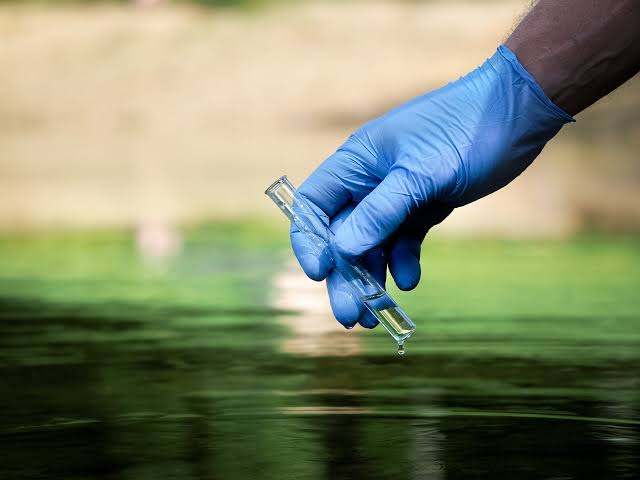
That’s why identifying the actual water problems should come before choosing a filter or treatment system. A water test can provide useful information about hardness, pH, dissolved minerals, microbial contamination, and other characteristics. Without that information, it’s easy to spend money on a system that doesn’t address the real concern.
Why Testing Matters More Than Guessing
Water testing doesn’t have to be complicated. Depending on the situation, homeowners may use basic testing kits or arrange laboratory testing for a more detailed analysis.
Testing is particularly important when water comes from a private well, borewell, storage tank, or another source that isn’t regularly monitored. Even municipal water can experience changes as it moves through older plumbing or household storage systems.
Think of testing as getting a diagnosis before taking medicine. You wouldn’t normally treat an unknown illness with a random prescription. Water deserves the same sensible approach.
A useful test can help determine whether you need filtration, softening, disinfection, or perhaps no major treatment at all. In some cases, a simple maintenance issue is responsible for what looks like a larger water-quality problem.
Choosing the Right Treatment
Once the water has been tested, the next step is matching the treatment method to the specific issue. There isn’t one magical filter that solves everything.
Activated carbon filtration, for instance, is often used to improve taste and reduce certain odors and organic compounds. Water softeners are designed primarily to reduce hardness minerals. Reverse osmosis systems can reduce many dissolved substances and are commonly used where drinking-water treatment requires a higher level of filtration.
UV treatment works differently. Rather than removing minerals, it uses ultraviolet light to help control microorganisms. Depending on the source water, a combination of technologies may be more appropriate than relying on one device.
These are some of the most common treatment solutions, but the right choice depends on the water analysis, intended use, flow requirements, maintenance expectations, and budget.
Don’t Forget About Plumbing
Sometimes the problem isn’t the water source at all. Your plumbing system can have a surprisingly large influence on what comes out of the tap.
Old pipes, corrosion, poorly maintained storage tanks, and stagnant sections of plumbing may affect appearance, taste, or odor. If only one faucet has an issue while the others seem perfectly normal, that’s a useful clue.
Regularly cleaning storage tanks, checking plumbing connections, replacing worn filters, and maintaining treatment equipment can prevent small problems from becoming expensive ones. It sounds basic, but these routine jobs are often overlooked.
For households with children, elderly family members, or anyone particularly sensitive to water-quality changes, paying attention to maintenance is even more worthwhile.
Think About the Water You Actually Need
Not every drop of water in a property needs the same level of treatment.
Drinking and cooking water may require more targeted purification, while water used for bathing, laundry, gardening, or toilet flushing may have different requirements. A whole-house treatment system can make sense in certain situations, particularly when the source has a widespread quality issue. In other cases, point-of-use filtration may be more practical.
This distinction can also affect operating costs. Treating every liter of water unnecessarily isn’t always the most efficient approach. A good system should solve the problem without creating another one through excessive maintenance, wastewater, energy use, or replacement costs.
Customization Can Make a Big Difference
Every property has its own combination of source water, plumbing, household size, usage patterns, and budget. A solution that works beautifully for one home may be completely unnecessary for another.
This is where custom solutions for your water quality become useful. Instead of selecting equipment simply because it is popular or heavily advertised, the system can be designed around the actual characteristics of the water and the needs of the people using it.
Customization doesn’t necessarily mean buying a huge collection of equipment. Sometimes it means choosing a smaller, more focused system. The goal is to treat what needs treating and avoid paying for technology that provides little practical benefit.
Maintenance Is Part of the Solution
Even a well-designed treatment system won’t perform forever without care. Filters need replacement, membranes may require servicing, softeners need appropriate maintenance, and UV systems depend on proper lamp performance.
Ignoring maintenance can reduce effectiveness and sometimes create new problems. Keep a simple record of filter changes and service dates. If your water source changes seasonally, testing it periodically can also be worthwhile.
A treatment system should be viewed less like a one-time purchase and more like an appliance that needs occasional attention. That mindset helps keep performance consistent.
Making a Smarter Decision
Good water treatment isn’t about buying the most advanced machine on the market. It’s about understanding the water, identifying the actual concern, and choosing technology that addresses it sensibly.
If you’re noticing unusual taste, odor, staining, scale, or changes in appearance, start with observation and testing rather than immediately reaching for a product. Talk with a qualified water professional when the issue is complex, especially if testing indicates potential health-related contamination.
Clean, dependable water supports everyday life in ways we often take for granted. A little investigation, sensible treatment, and regular maintenance can go a long way toward keeping that resource safe, pleasant, and reliable for years to come.