
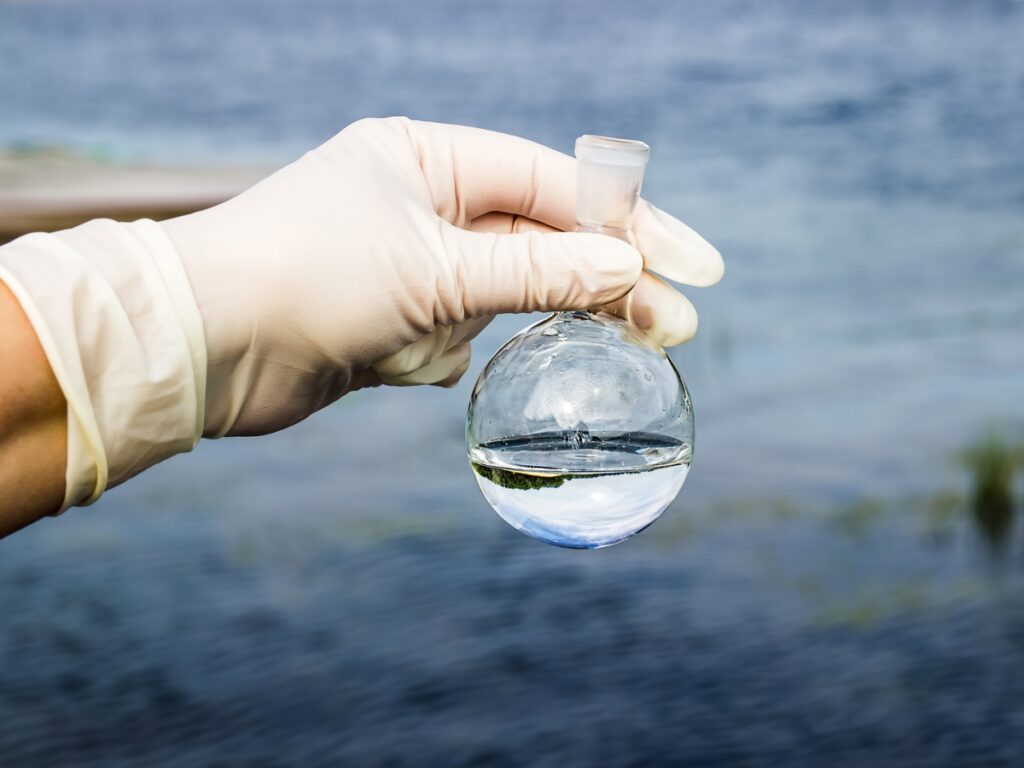
Most homeowners don’t think much about their water until something feels different. Maybe the coffee tastes a little bitter, the shower leaves your skin feeling unusually dry, or the faucet suddenly produces water with a strange odor after heavy rain. Sometimes the changes are obvious. Other times they’re so subtle that they become part of everyday life before anyone really notices.
The truth is, water quality isn’t something you can judge with your eyes alone. Crystal-clear water can still contain unwanted minerals or impurities, while slightly cloudy water isn’t always a sign of a serious issue. That’s exactly why testing your water before investing in any treatment system is one of the smartest decisions you can make.
Instead of guessing, you get answers—and good decisions almost always begin with good information.
Every Water Source Is Different
No two homes receive exactly the same water.
Municipal water supplies travel through treatment plants and miles of underground infrastructure before reaching your faucet. Private wells depend on groundwater conditions, surrounding soil, seasonal rainfall, and local geology. Even neighboring homes can experience noticeable differences because of plumbing materials or well depth.
That’s why recommendations based solely on someone else’s experience often miss the mark.
Your home’s water has its own unique characteristics, and understanding those characteristics makes choosing the right solution much easier.
Why Water Quality Changes Over Time
One common misconception is that once your water has been tested, you’re finished forever.
In reality, water conditions can gradually change.
Seasonal weather, aging plumbing, municipal maintenance, nearby construction, groundwater fluctuations, and natural mineral movement all influence water quality over time. While dramatic changes are uncommon, subtle differences often appear without homeowners realizing it.
Routine testing helps identify those changes before they become larger concerns.
Think of it as regular maintenance for something your family relies on every single day.
Well Owners Need Extra Awareness
Homes connected to private wells require a little more attention because responsibility for water quality rests with the homeowner rather than a municipal utility.
Regular well water testing helps identify naturally occurring minerals, bacteria, sediment, and other water characteristics that may change throughout the year. Since groundwater conditions aren’t static, periodic evaluations provide valuable reassurance that your water continues meeting your household’s needs.
Many well owners make testing part of their annual home maintenance checklist, right alongside HVAC servicing and roof inspections.
It’s a simple habit that offers lasting peace of mind.
The Value of Starting with Facts
It’s surprisingly common for people to assume they already know what’s wrong with their water.
A chlorine smell might seem obvious. White residue on faucets often suggests hard water. Metallic taste may point toward plumbing issues.
Sometimes those assumptions are correct.
Sometimes they aren’t.
Testing replaces uncertainty with reliable information, allowing homeowners to solve actual problems instead of imagined ones. That approach not only improves results but often prevents unnecessary spending on equipment that addresses the wrong issue.
Knowledge saves money just as often as it solves problems.
A Simple First Step That Costs Very Little
Many homeowners are pleasantly surprised to learn that local water treatment providers frequently offer a free water test as part of their consultation process.
This initial evaluation provides valuable insight into basic water characteristics, helping identify whether further analysis or treatment may be beneficial. It also gives homeowners an opportunity to ask questions without immediately committing to expensive equipment.
Even if treatment isn’t necessary, understanding your water is never a wasted effort.
Sometimes the best outcome is discovering that your water is already in excellent condition.
Understanding What the Results Actually Mean
Receiving water test results can feel a little overwhelming at first.
There may be unfamiliar terminology, mineral measurements, or technical values that don’t immediately make sense. That’s completely normal.
The important part isn’t memorizing every number. It’s understanding how those findings relate to your daily life.
Are mineral levels affecting appliances? Is chlorine influencing taste? Does sediment explain cloudy water? Are additional treatment options worth considering?
Interpreting results within the context of your home’s actual needs makes testing far more useful than simply reading laboratory data.
Why Professional Guidance Makes a Difference
While home testing kits have become increasingly popular, they often provide only limited information.
For a more complete understanding, professional water analysis offers greater accuracy and a broader evaluation of your water’s overall condition. Experienced specialists can explain results clearly, recommend appropriate solutions when necessary, and help homeowners avoid unnecessary purchases.
Rather than relying on assumptions or online advice that may not apply to your situation, professional guidance creates a clearer path toward improving water quality.
That’s particularly valuable when multiple water concerns exist at the same time.
Better Water Supports Everyday Living
Improving water quality isn’t only about drinking water.
Cleaner water influences cooking, laundry, showers, dishwashing, coffee preparation, appliance efficiency, and countless other daily activities. Small improvements in water quality often create surprisingly noticeable differences throughout the home.
Coffee tastes richer. Soap rinses away more easily. Glassware develops fewer water spots. Water heaters and plumbing systems often experience less mineral buildup over time.
None of these changes happen overnight, but together they make everyday life feel just a little smoother.
Testing Before Buying Is Always the Better Strategy
Water treatment equipment has become more advanced than ever, with options ranging from simple carbon filters to water softeners, ultraviolet purification, reverse osmosis systems, and whole-house treatment solutions.
Choosing between them without understanding your water is a little like buying medication before receiving a diagnosis.
Testing first allows you to match equipment to actual conditions instead of relying on marketing claims or guesswork.
That simple decision often produces better long-term results while avoiding unnecessary expenses.
Final Thoughts
Water quietly supports almost every activity inside your home, yet it’s often one of the least understood parts of everyday living. Because many water concerns can’t be detected by appearance alone, testing provides something incredibly valuable: confidence.
Whether your home relies on municipal service or a private well, understanding your water is the foundation for making smart, informed decisions about treatment, maintenance, and long-term household comfort.
The best water solutions don’t begin with expensive equipment. They begin with reliable information. Once you know exactly what’s in your water, every decision that follows becomes simpler, more effective, and better suited to your home’s unique needs.
Sometimes the smartest investment isn’t buying a new system at all—it’s simply taking the time to learn what your water is telling you.