
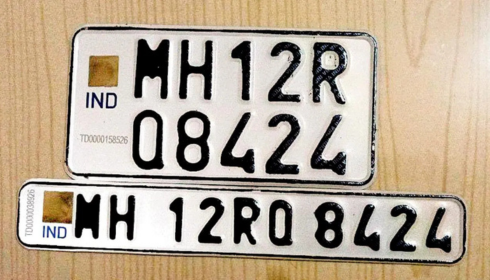
Vehicle safety and compliance have become far more important in recent years, especially with stricter transport regulations across India. One of the biggest changes introduced for vehicle owners is the High Security Registration Plate system. Whether you own a car, bike, or commercial vehicle, having an HSRP installed is now essential in many states. Apart from helping authorities track vehicles more efficiently, these plates also reduce the chances of theft and duplication.
For many people, the process may initially sound confusing, but in reality, it has become fairly simple thanks to online systems and faster approval methods. Once you understand how the process works, getting your plate installed becomes a smooth experience.
What Is an HSRP Number Plate?
An hsrp number plate is a government-approved registration plate designed with advanced security features. Unlike older traditional plates, these are manufactured using aluminium and contain multiple safety elements that make tampering extremely difficult.
The plate usually includes:
- A chromium-based hologram
- Laser-etched serial numbers
- Reflective sheeting
- Hot-stamped IND marking
- Snap locks for secure installation
These features help law enforcement agencies identify vehicles quickly and reduce cases of fake registration plates. Since the system is linked digitally with vehicle registration databases, it also improves transparency and road security.
Today, most state transport departments encourage vehicle owners to upgrade to HSRP plates as early as possible to avoid penalties or legal complications.
Why HSRP Plates Are Important
The importance of HSRP plates goes beyond simply following government rules. They provide genuine safety and long-term convenience for vehicle owners.
One major advantage is theft prevention. Because each plate carries a unique identification number connected to official records, stolen vehicles become easier to trace. Duplicate or fake plates can also be identified quickly.
Another important factor is road surveillance. Modern traffic monitoring systems and CCTV cameras work more effectively with standardized reflective plates. This helps improve law enforcement and traffic management in busy cities.
For buyers and sellers of used vehicles, HSRP plates also add credibility because they confirm proper registration and compliance.
The Online Booking Process
Earlier, vehicle owners had to visit multiple offices and wait in long queues for registration-related work. Thankfully, online systems have simplified the entire process.
Today, number plate booking can usually be completed from home in just a few steps.
The standard process generally includes:
- Visiting the authorised HSRP portal for your state
- Entering vehicle registration details
- Providing engine and chassis numbers
- Selecting fitment location and appointment slot
- Making the online payment
- Receiving booking confirmation
After the booking is complete, the plate is manufactured according to official specifications and installed at an authorised centre.
Many vehicle owners now prefer online appointments because they reduce waiting time and make the entire process far more convenient.
Documents Usually Required
While requirements may differ slightly between states, most applications need basic vehicle-related information.
Commonly required details include:
- Registration Certificate (RC)
- Vehicle registration number
- Engine number
- Chassis number
- Mobile number for OTP verification
For older vehicles, some states may additionally request proof of identity or address verification during installation.
Keeping these documents ready beforehand helps avoid unnecessary delays during the booking process.
HSRP for Old and New Vehicles
New vehicles generally come with HSRP plates already installed by dealerships. However, older vehicles registered before implementation deadlines often require fresh installation through authorised centres.
This is why many transport departments regularly issue notifications asking owners of older vehicles to complete registration upgrades within a specified period.
Ignoring these instructions may lead to traffic fines or compliance issues during inspections.
Common Mistakes Vehicle Owners Should Avoid
A surprising number of vehicle owners make errors while applying for HSRP plates. One common issue is entering incorrect chassis or engine numbers during registration. Even a small mistake can delay approval or create problems during installation.
Another mistake is choosing unauthorised vendors offering cheaper duplicate plates. These may not meet legal requirements and can create complications later.
Vehicle owners should always use officially approved portals or authorised fitment centres to ensure proper compliance.
Final Thoughts
HSRP plates are no longer just an optional upgrade. They are becoming a standard requirement for safer and more organised vehicle registration systems across India. From improving road security to reducing fraud, these plates offer several practical benefits for both authorities and vehicle owners.
The good thing is that the process has become much easier than before. With online applications, faster appointment systems, and authorised installation centres, getting compliant registration plates is now relatively simple.
If your vehicle still does not have an HSRP installed, completing the process sooner rather than later can save you from future hassles, penalties, and unnecessary delays.